When it comes to serving raw fish in a Canadian restaurant, the term 'sashimi-grade' carries enormous weight, yet it remains one of the most misunderstood concepts in the foodservice industry. Unlike Japan, where decades of tradition and rigorous market standards govern raw fish quality, Canada lacks a formal regulatory definition for 'sashimi-grade.' This gap creates both risk and opportunity for chefs who understand what truly separates exceptional raw fish from the rest.
This guide is designed for executive chefs, sushi chefs, and purchasing managers working in Canadian restaurants. We will break down the regulatory landscape, explain the quality markers that define genuine sashimi-grade fish, and provide a practical framework for evaluating your supply chain, so that every piece of raw fish you serve meets the highest possible standard.
What 'Sashimi-Grade' Actually Means in Canada
The first thing every Canadian chef needs to understand is that 'sashimi-grade' is not a government-regulated term. Neither Health Canada nor the Canadian Food Inspection Agency (CFIA) officially recognizes or defines this classification. There is no federal standard, no certification body, and no legal requirement that must be met before a supplier labels fish as 'sashimi-grade.'
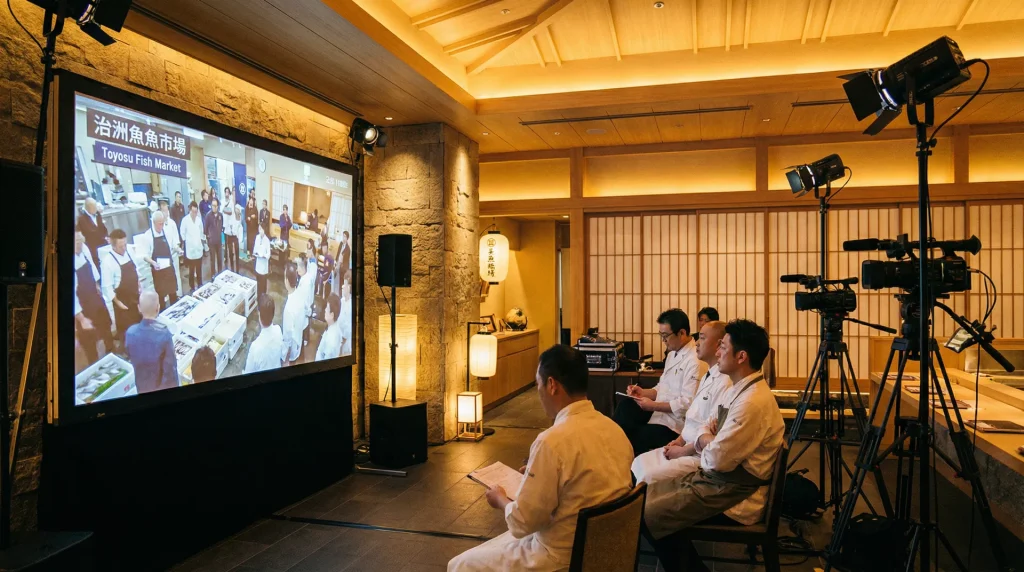
This stands in stark contrast to Japan, where the Toyosu Market (formerly Tsukiji) operates under a multi-layered grading system. At Toyosu, tuna alone is evaluated on over a dozen criteria, including fat content, color, texture, freshness indicators, and origin, before it receives a grade that determines its auction price. The top-grade fish at Toyosu commands prices that reflect genuine, verifiable quality.
In Canada, the designation relies entirely on the supplier's internal standards, handling protocols, and the trust relationship between distributor and chef. This means that choosing your supplier is, in effect, choosing your quality standard. Two distributors can both label their fish 'sashimi-grade' while operating under vastly different quality thresholds.
The Five Pillars of True Sashimi Quality
1. Harvesting Method
The quality of sashimi-grade fish begins at the moment of harvest. The Japanese ike-jime technique, a precise brain spike followed by spinal cord destruction and immediate bleeding, is the gold standard. This method minimizes stress hormones (cortisol and lactic acid) in the fish, which directly impacts texture, flavor, and shelf life. Fish harvested with ike-jime can maintain peak quality for 5-7 days longer than conventionally caught fish.
At True World Foods Canada, we work exclusively with fisheries that practice ike-jime or equivalent humane harvesting methods. Our buyers at Toyosu Market personally inspect each lot, evaluating the kill method before purchase. This is not a marketing claim, it is a fundamental quality control step that determines whether fish enters our supply chain.
2. Temperature Control: The Unbroken Cold Chain
Temperature is the single most critical factor in maintaining sashimi quality. From the moment a fish is harvested, it must be chilled to 0-2°C within minutes and maintained at that temperature throughout the entire supply chain. Even a brief temperature excursion to 5°C can accelerate histamine formation in species like tuna, potentially creating both quality and safety issues.
For air-freighted fish from Japan, the cold chain challenge is particularly acute. The journey from Toyosu Market to a Vancouver kitchen involves multiple handoff points: market to packing facility, packing to airport, airport to aircraft, aircraft to Canadian customs, customs to distribution center, and finally distribution center to restaurant. At each point, temperature must be monitored and maintained. Our proprietary packaging system uses gel packs calibrated to maintain 0-2°C for up to 72 hours, with temperature loggers in every shipment that provide a complete thermal history.
3. Parasite Risk Management
Health Canada requires that fish intended for raw consumption undergo parasite destruction through freezing. The specific requirements are: freezing at -20°C for a minimum of 7 days, or freezing at -35°C for a minimum of 15 hours. These protocols effectively eliminate parasitic risk in species like salmon, which are particularly susceptible to Anisakis larvae.
However, not all species carry the same parasitic risk. Deep-ocean pelagic species like tuna, swordfish, and escolar have significantly lower parasite prevalence due to their habitat and diet. Understanding species-specific risk profiles allows chefs to make informed decisions about their raw fish programs. Your supplier should be able to provide documentation of freezing protocols for every species they sell for raw consumption.
4. Visual and Sensory Quality Indicators
Experienced sushi chefs can assess fish quality through visual and tactile examination. The key indicators of true sashimi quality include: translucent flesh with a natural, jewel-like sheen rather than an opaque or milky appearance; firm yet yielding texture that springs back when gently pressed; a clean ocean scent without any ammonia, fishy, or sour odors; and consistent color throughout the flesh without browning, yellowing, or discoloration at the edges.
For tuna specifically, the color should be a deep, vibrant red (for akami) or a rich pink with clear fat marbling (for chutoro and otoro). Oxidation causes tuna to turn brown, which is an immediate disqualifier for sashimi service. The surface should appear moist but not wet or slimy, and the grain of the flesh should be clearly visible and uniform.
5. Traceability and Documentation
In an era of increasing food safety scrutiny, traceability is no longer optional, it is essential. Your supplier should be able to provide complete documentation for every piece of fish: species identification (both common and scientific names), catch method and location, harvest date, processing and handling history, temperature logs for the entire supply chain, and any relevant certifications (Ocean Wise, MSC, ASC).
This documentation serves multiple purposes. It protects your restaurant in the event of a food safety inquiry, it allows you to make informed purchasing decisions, and it enables you to tell the story of your ingredients to increasingly curious diners. At True World Foods, every shipment arrives with a complete traceability package that you can file for your HACCP records.
Species-Specific Considerations for Canadian Chefs
Different species require different handling approaches. Here is a quick reference for the most commonly served raw fish in Canadian Japanese restaurants:
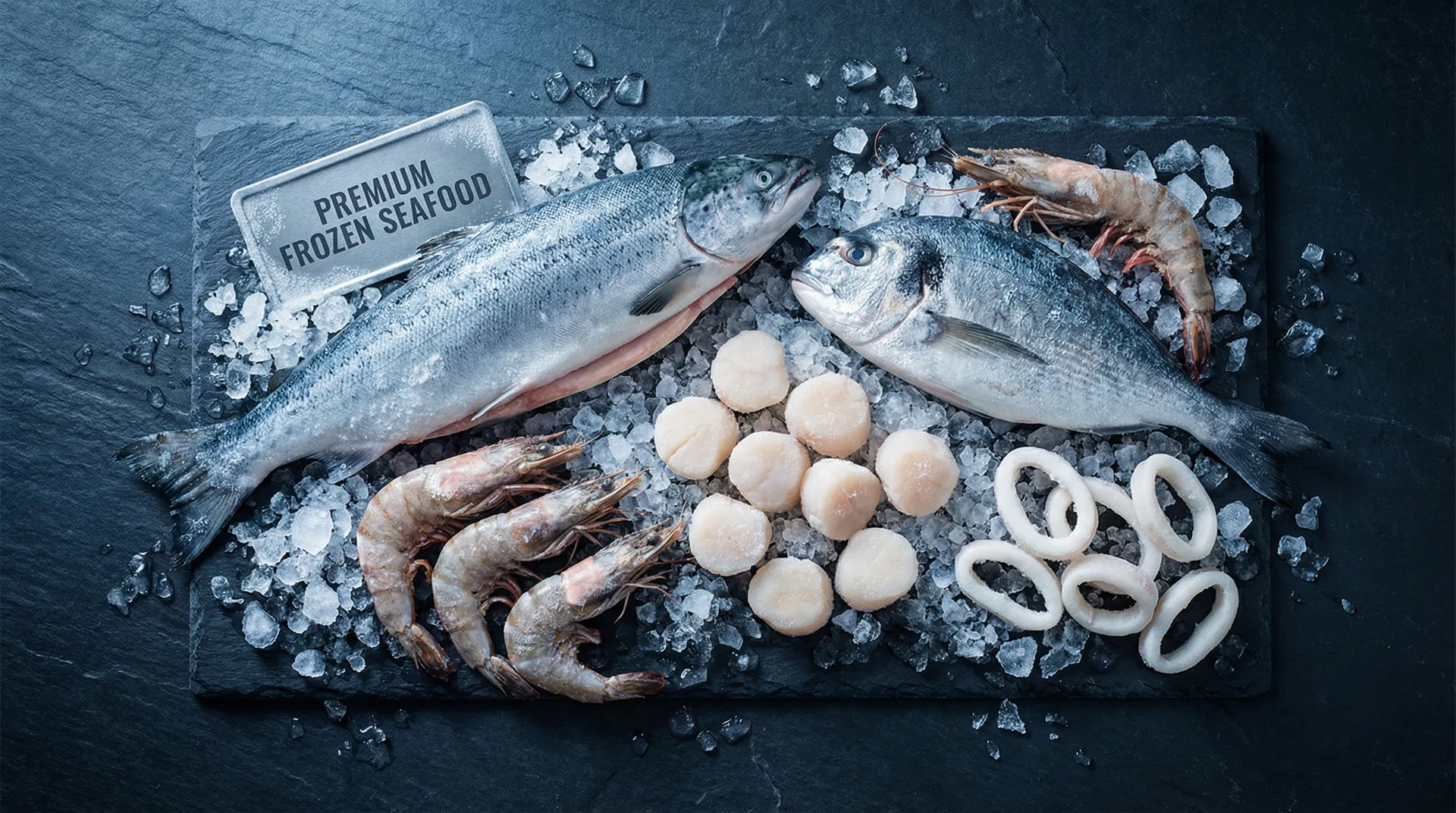
Bluefin Tuna (Hon Maguro): Lowest parasitic risk among common sashimi species. Primary concern is histamine formation from temperature abuse. Must be stored at -1°C to 1°C. Shelf life for sashimi quality is 3-5 days from receipt. Look for deep red color, firm texture, and clean metallic scent.
Salmon (Sake): Higher parasitic risk requires strict freezing protocols per Health Canada guidelines. Atlantic salmon (farmed) generally carries lower risk than wild Pacific species. Must be frozen before raw service. Shelf life for sashimi quality is 2-3 days after thawing.
Yellowtail (Hamachi): Moderate parasitic risk. Farm-raised hamachi from Japan has lower risk than wild-caught. Look for pale pink flesh with visible fat lines. Shelf life for sashimi quality is 3-4 days from receipt.
Sea Bream (Tai): Low to moderate parasitic risk. Prized for its delicate, sweet flavor and firm texture. Often served as usuzukuri (thin slices). Shelf life for sashimi quality is 2-4 days from receipt.
Scallop (Hotate): Very low parasitic risk for adductor muscle. Must be dry-packed (not soaked in sodium tripolyphosphate). Look for ivory to light coral color and sweet, briny scent. Shelf life for sashimi quality is 2-3 days from receipt.
Building a Trusted Supplier Relationship
The relationship between a chef and their fish supplier is the foundation of every great Japanese restaurant. This is not a transactional relationship, it is a partnership built on shared commitment to quality. When evaluating a potential supplier, consider these critical factors:
First, ask about their sourcing network. Do they buy directly from Toyosu Market or other premier Japanese fish markets? Or are they purchasing through intermediaries who add handling steps and reduce freshness? Direct market access means fewer hands touching your fish and a shorter time from ocean to plate.
Second, evaluate their cold chain infrastructure. Do they operate their own temperature-controlled vehicles? What is their delivery frequency? Can they provide temperature logs for your shipments? A supplier who invests in their own logistics infrastructure is demonstrating a commitment to quality that goes beyond marketing.
Third, assess their product knowledge. Can their sales team explain the difference between wild and farmed hamachi? Do they know which tuna species are in season? Can they recommend alternatives when your preferred product is unavailable? A knowledgeable supplier is an invaluable resource for menu planning and cost management.
At True World Foods Canada, we operate our own fleet of refrigerated trucks across five locations, Vancouver, Calgary, Toronto, Montreal, and Quebec City. Our buyers have decades of experience at Toyosu Market, and our sales team includes former sushi chefs who understand your needs from the kitchen side. We believe that the best supplier relationship is one where your distributor is as invested in your success as you are.
Implementing a Sashimi Quality Program in Your Kitchen
Once you have established a reliable supply chain, the next step is implementing quality control protocols in your own kitchen. This includes: designating a specific receiving area with a calibrated thermometer for checking delivery temperatures; establishing a first-in, first-out (FIFO) rotation system for all raw fish inventory; training all kitchen staff on proper handling techniques, including the use of clean gloves and sanitized cutting boards; maintaining a receiving log that documents supplier, species, temperature at receipt, and visual quality assessment for every delivery.
These protocols not only protect your customers, they also protect your investment. Premium sashimi-grade fish represents a significant cost, and proper handling ensures that you extract maximum value from every purchase. A fish that arrives in perfect condition but is mishandled in your kitchen is a waste of both money and the fisherman's effort.
For personalized guidance on building a sashimi quality program tailored to your specific operation, our culinary team offers complimentary consultations. Whether you are launching a new sushi program or refining an existing one, we can help you establish the protocols and supply chain that ensure every piece of fish you serve meets the highest standard.