

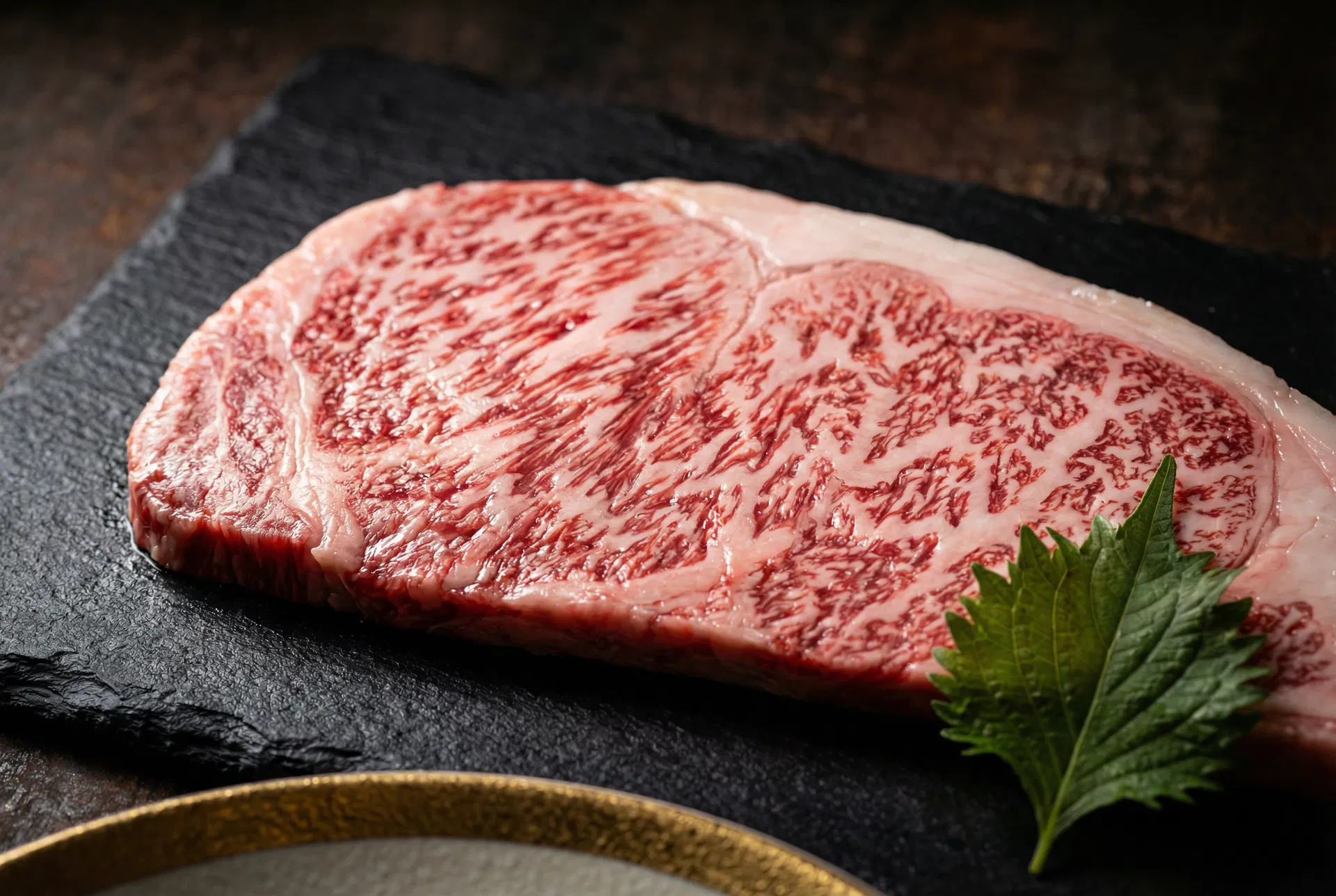
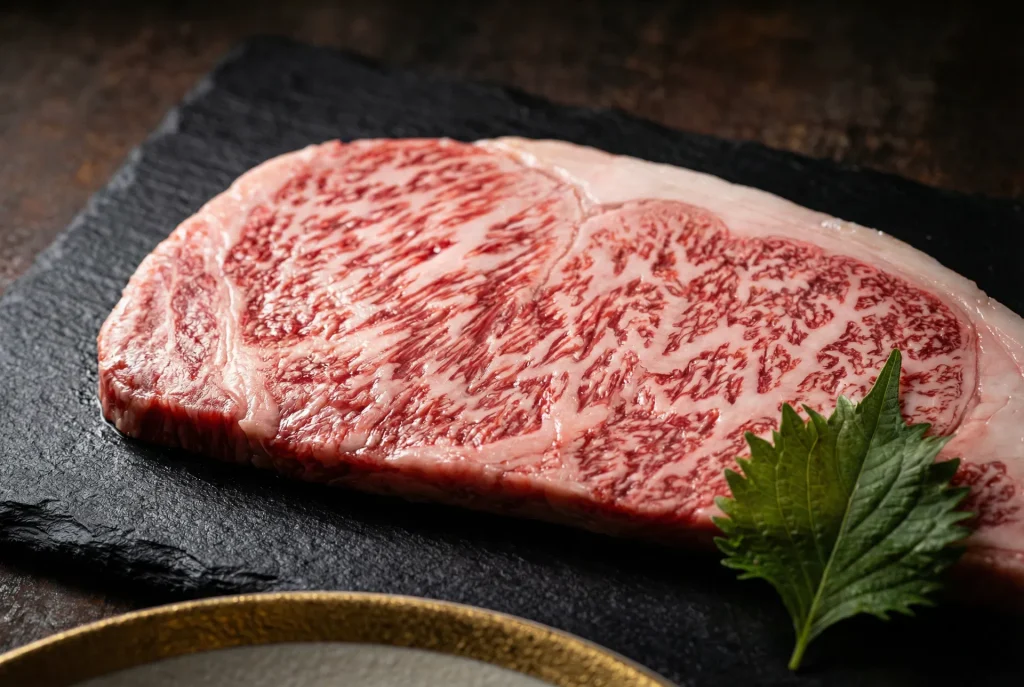
A5 Japanese wagyu represents the pinnacle of beef production, a product so extraordinary that it has earned a reputation as the most luxurious meat in the world. For Canadian chefs, offering genuine A5 wagyu is both an opportunity to create unforgettable dining experiences and a challenge that requires specific knowledge about grading, handling, portioning, and preparation that differs fundamentally from working with any other beef.
This guide covers everything a Canadian chef needs to know about A5 wagyu: from understanding the Japanese grading system and selecting the right cuts for your menu, to proper storage, portioning, cooking techniques, and pricing strategies that protect your margins while delivering exceptional value to your guests.
Understanding the Japanese Beef Grading System
The Japanese Meat Grading Association (JMGA) evaluates wagyu using a two-part system that is far more detailed than North American grading. The first component is a yield grade (A, B, or C), where A indicates the highest ratio of usable meat to total carcass weight, above 72%. The second component is a quality grade (1 through 5), which is determined by evaluating four criteria: marbling (Beef Marbling Standard, or BMS), meat color and brightness (Beef Color Standard, or BCS), firmness and texture, and fat color and quality (Beef Fat Standard, or BFS).
To achieve the A5 designation, the highest possible grade, beef must score A for yield AND 5 for quality, which requires a BMS score of 8 or higher on a 12-point scale. In practice, most A5 wagyu sold internationally scores BMS 10-12, representing the absolute peak of marbling. To put this in perspective, USDA Prime beef, the highest American grade, would score approximately BMS 4-5 on the Japanese scale. The difference is not incremental; it is transformative.
The four major wagyu breeds are Japanese Black (Kuroge Washu), which accounts for over 90% of wagyu production and is the breed most associated with A5 quality; Japanese Brown (Akage Washu), known for a leaner profile with a more 'beefy' flavor; Japanese Shorthorn (Nihon Tankaku Washu), prized for a rich, gamey character; and Japanese Polled (Mukaku Washu), the rarest breed with fewer than 200 animals in existence. When sourcing A5 wagyu for your restaurant, you will almost exclusively be working with Japanese Black from one of the famous production regions.
Famous Production Regions and Their Characteristics
Japan's wagyu production regions each produce beef with distinct characteristics, much like wine appellations. Understanding these differences allows you to select the profile that best suits your menu and clientele.
Miyazaki Prefecture has won the prestigious Wagyu Olympics (held every five years) multiple times and produces beef known for its exceptionally fine, evenly distributed marbling and a sweet, buttery flavor profile. Miyazaki A5 is often considered the benchmark for wagyu quality worldwide.
Kobe (Hyogo Prefecture) is perhaps the most famous wagyu brand internationally. Authentic Kobe beef must come from Tajima-gyu cattle born, raised, and processed in Hyogo Prefecture, with a BMS of 6 or higher. Kobe beef is characterized by a delicate, almost floral fat flavor and a melt-in-the-mouth texture that is unmistakable.
Matsusaka (Mie Prefecture) is sometimes called the 'queen of wagyu' and commands some of the highest prices at auction. Matsusaka beef is known for its incredibly high fat content, with some cuts appearing almost white with marbling. The flavor is intensely rich and sweet.
Ohmi (Shiga Prefecture) is the oldest wagyu brand in Japan, with a history dating back over 400 years. Ohmi beef has a distinctive fine-grained texture and a complex flavor profile that develops beautifully with aging.
When ordering from True World Foods Canada, you can specify your preferred production region, and our team will source accordingly based on current availability and your quality requirements.
Selecting Cuts for Your Menu
A5 wagyu cuts serve very different purposes on a menu, and understanding these differences is essential for both guest satisfaction and profitability.
Striploin (Sārloin) is the most versatile A5 cut, with a balance of marbling and meat flavor that works beautifully as steak, yakiniku, or shabu-shabu. It is the best starting point for restaurants new to wagyu. Recommended portion: 80-120g for a main course, 40-60g for a tasting portion.
Ribeye (Riburosu) offers the richest marbling and most intense wagyu experience. The combination of the ribeye cap (which has extraordinary fat content) and the eye (which provides structure) creates a complex eating experience. Best served as steak or thick-cut yakiniku. Recommended portion: 80-100g for a main course.
Tenderloin (Hire) is the leanest A5 cut, which in wagyu terms still means significantly more marbling than any other beef. It offers a more subtle wagyu experience with exceptional tenderness. Ideal for guests who want wagyu without the intensity of ribeye. Recommended portion: 100-140g for a main course.
Chuck and Shoulder cuts offer excellent value for A5 wagyu. These cuts have beautiful marbling at a lower price point than premium steaking cuts, and they excel in preparations like sukiyaki, shabu-shabu, and nikujaga (beef stew). They are also excellent for introducing wagyu to your menu at a more accessible price point.
Brisket and Short Rib are increasingly popular for creative applications. A5 wagyu brisket makes extraordinary yakiniku, while short rib is perfect for braised preparations where the fat slowly renders into the cooking liquid, creating an incredibly rich sauce.
Storage, Handling, and Preparation
A5 wagyu requires specific handling that differs from conventional beef. The high intramuscular fat content means that temperature management is even more critical, wagyu fat begins to melt at a lower temperature than regular beef fat, which affects both storage and cooking.
For storage, maintain A5 wagyu at -1°C to 2°C in your refrigerator. Vacuum-sealed portions can be stored for up to 14 days from receipt. Once opened, use within 2-3 days. For longer storage, freeze at -18°C or below; properly frozen A5 wagyu maintains quality for up to 6 months. Thaw slowly in the refrigerator over 24-48 hours, never at room temperature or in water, as rapid thawing can cause the delicate fat structure to break down.
When preparing A5 wagyu for cooking, bring the meat to cool room temperature (about 15°C) for 20-30 minutes before cooking. This is shorter than the typical 30-60 minutes recommended for conventional steak, because wagyu's fat begins softening at lower temperatures. Season simply, high-quality sea salt is usually all that is needed. The extraordinary marbling provides all the flavor and richness the meat needs.
For cooking, the key principle is: less is more. A5 wagyu should be cooked to medium-rare at most (internal temperature of 52-54°C / 125-130°F). The goal is to render just enough of the intramuscular fat to create that signature melt-in-the-mouth texture without losing it to the pan. Use a very hot surface (cast iron or binchotan charcoal) for a brief, intense sear, typically 60-90 seconds per side for a 2cm-thick steak. Rest for 3-5 minutes before slicing.
A critical mistake many Western-trained chefs make is serving A5 wagyu in conventional steak portions (200-300g). At this quantity, the richness becomes overwhelming. Japanese tradition serves wagyu in smaller portions (80-120g) alongside palate cleansers like pickled ginger, wasabi, and ponzu. This approach is not only more authentic, it is also more profitable, as it allows you to serve more covers from each kilogram.
Pricing Strategy and Menu Positioning
Pricing A5 wagyu requires a different approach than pricing conventional menu items. The ingredient cost is high, but the perceived value is even higher, and this gap is where profitability lives.
A common and effective approach is tiered wagyu offerings. At the entry level, offer A5 wagyu as a supplement or add-on to an existing dish, for example, '4 pieces A5 Wagyu Nigiri +$38' or 'Add 60g A5 Wagyu to any main +$45.' This introduces guests to wagyu at a lower commitment level and often leads to repeat orders and upgrades. At the mid-tier, offer a dedicated wagyu course or small plate, '80g A5 Miyazaki Striploin with seasonal accompaniments, $65.' This is your volume driver and should be priced to achieve 35-40% food cost. At the premium tier, offer a wagyu experience, 'A5 Wagyu Tasting: 3 cuts, 3 preparations, $120.' This showcases your expertise and commands the highest margin.
Transparency builds trust and justifies premium pricing. Display the certificate of authenticity (which accompanies every genuine Japanese wagyu shipment), mention the specific production region and BMS score on your menu, and train your servers to explain the grading system confidently. Guests who understand what makes A5 wagyu exceptional are willing to pay premium prices, and they become advocates who bring friends back for the experience.
Sourcing Authentic A5 Wagyu in Canada
The growing popularity of wagyu has unfortunately led to widespread mislabeling and confusion in the market. 'Wagyu-style,' 'American wagyu,' and 'Australian wagyu' are all legitimate products, but they are fundamentally different from genuine Japanese A5 wagyu. When sourcing for your restaurant, insist on: a certificate of authenticity from the JMGA with a unique 10-digit identification number, clear labeling of the production region (prefecture), the specific BMS score (not just 'A5'), and your supplier's import documentation showing CFIA clearance.
True World Foods Canada is an authorized importer of genuine Japanese wagyu, with direct relationships with producers in Miyazaki, Kagoshima, and other premier regions. Every cut we sell comes with full JMGA certification, and our team can help you select the right cuts, portions, and price points for your specific menu concept. Contact us to arrange a tasting and discuss how A5 wagyu can elevate your restaurant's offering.