The Art of Omakase: More Than a Meal, An Experience
Omakase, a Japanese phrase that translates to 'I leave it up to you,' represents the pinnacle of trust between a diner and a chef. It’s an intimate culinary journey where the guest relinquishes control, placing their dining experience entirely in the hands of the chef. This is not simply a meal; it is a performance, a story told through a sequence of meticulously prepared dishes. The chef curates the entire experience, from the selection of ingredients to the pacing of the courses, creating a narrative that reflects the season, the ingredients' peak freshness, and their own unique culinary philosophy. In a Canadian market that increasingly values unique and personalized dining, the omakase model offers a powerful way to stand out and build a dedicated following.
At the heart of the omakase experience is the chef, who acts as both artist and guide. The sushi counter becomes their stage, and every movementfrom the precise slicing of fish to the delicate molding of riceis part of the performance. This direct interaction allows for a dynamic and personal experience, where the chef can gauge the diner's reactions and tailor the menu accordingly. For Canadian chefs, this presents an opportunity to showcase their creativity and expertise, blending traditional Japanese techniques with the best of local ingredients. The goal is to create a dialogue with the diner, sharing the story behind each dish and fostering a deeper appreciation for the craft.
Structuring Your Omakase Menu: The Modern Kaiseki Framework
The Traditional Flow: From Sakizuke to Mizumono
The structure of a high-end omakase often draws inspiration from kaiseki, the traditional Japanese multi-course haute cuisine. This framework provides a sophisticated rhythm and progression, ensuring a balanced and satisfying experience. A typical kaiseki-style progression includes the *Sakizuke*, a small appetizer to whet the palate; *Hassun*, a seasonal platter that sets the theme of the meal; *Mukozuke*, a seasonal sashimi dish; and a series of cooked courses like *Yakimono* (grilled) and *Nimono* (simmered). The meal then transitions to the *Shiizakana*, a substantial dish, before moving into the sushi sequence, and finally concluding with *Mizumono*, a seasonal dessert. Understanding this traditional flow is crucial for creating an authentic and well-paced omakase menu.
Structuring Your Omakase Menu: The Modern Kaiseki Framework
Adapting for the Canadian Palate
While the traditional kaiseki structure provides a solid foundation, successful omakase in Canada requires thoughtful adaptation. The key is to balance authenticity with accessibility for a North American audience. This might mean slightly larger portions for certain courses or incorporating ingredients that are familiar to the local palate alongside more traditional Japanese items. For example, a chef might feature locally sourced Dungeness crab in a simmered dish or use seasonal British Columbia spot prawns for a sashimi course. The goal is not to dilute the experience, but to create a bridge for diners, making the journey into Japanese culinary tradition both exciting and comfortable. This thoughtful fusion of Japanese technique and Canadian terroir is where a chef's unique voice can truly shine.
The Magic Number: Determining the Optimal Course Count
Deciding on the number of courses is a critical step in designing an omakase menu. While there's no single right answer, most high-end omakase experiences fall within the 7 to 15-course range. A shorter menu of 7-9 courses can be a great entry point for diners new to the format, offering a comprehensive taste of the chef's style without being overwhelming. A more extensive menu of 12-15 courses, on the other hand, allows for a deeper exploration of seasonal ingredients and more complex culinary techniques, catering to seasoned food enthusiasts. The choice depends on your target audience, kitchen capacity, and desired price point. It's about finding the sweet spot that allows you to tell a complete story without fatiguing the diner's palate.
Several factors should influence your decision on course count. Consider the complexity of each dish; a menu with many intricate, labor-intensive courses may necessitate a smaller overall number. Staffing is another crucial element; a larger, more elaborate menu requires a well-orchestrated team to ensure smooth service. Finally, the physical space and seating time play a role. A 15-course menu might require a seating time of 2.5 to 3 hours, which needs to be factored into your reservation system and table turnover strategy. Ultimately, the optimal course count is one that you can execute flawlessly while delivering a memorable and well-paced experience for your guests.
Pricing for Profit and Prestige: An Omakase Pricing Strategy
Pricing an omakase menu is a delicate balance between covering costs, reflecting the premium nature of the experience, and attracting your target clientele. In Canada, omakase prices typically range from $80 per person on the more accessible end to over $300 for an exclusive, high-end experience. A cost-plus pricing model, where you calculate the total cost of ingredients, labor, and overhead and add a markup, is a good starting point. However, to truly capture the value of the omakase experience, a value-based pricing strategy is more effective. This approach considers the chef's expertise, the exclusivity of the ingredients, the theatrical presentation, and the overall uniqueness of the dining event.
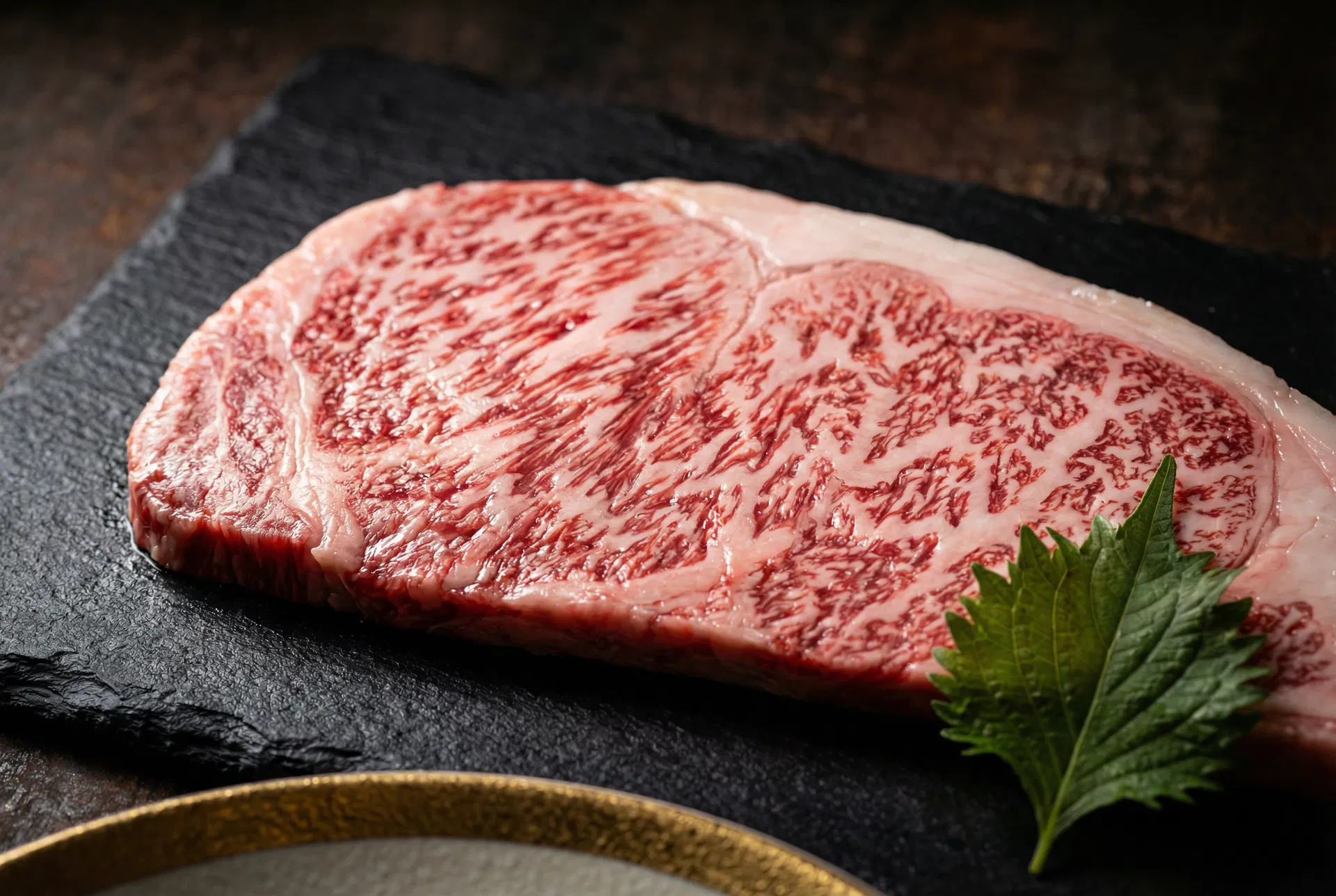
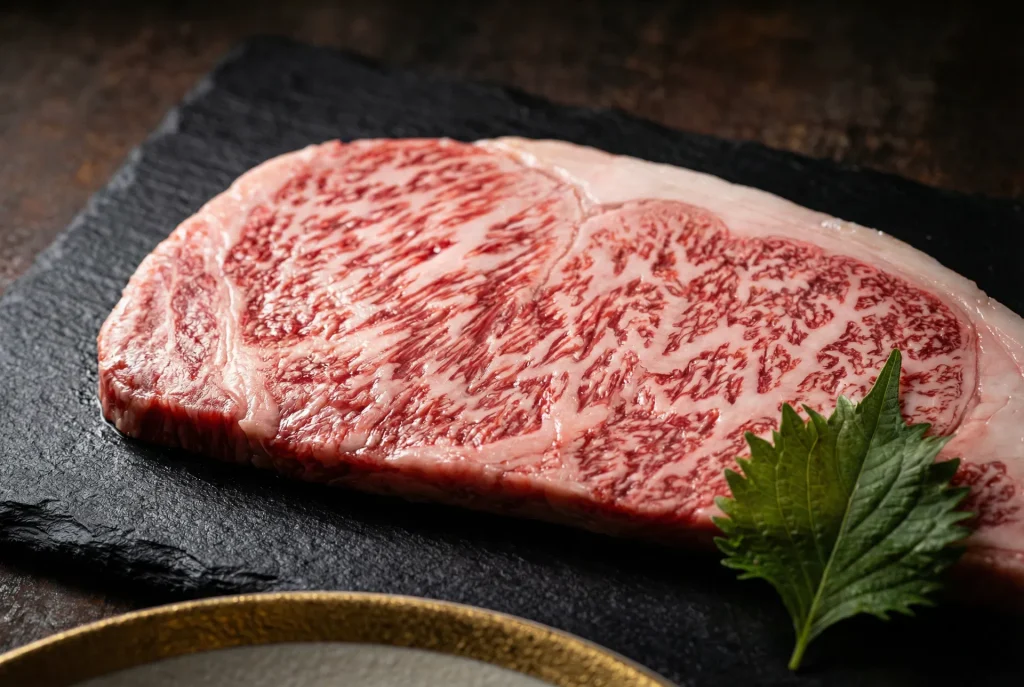
Offering tiered pricing can be an effective way to cater to a broader range of customers. For example, you could offer a 9-course menu at $120 and a more elaborate 14-course menu at $200. The higher-priced tier might include more premium ingredients like uni, otoro, or A5 wagyu beef, and perhaps a more extensive sake pairing. This strategy allows you to capture different segments of the market while maintaining a high-end positioning. When setting your prices, be transparent about what each tier includes. This manages guest expectations and reinforces the value they are receiving, ensuring they feel the experience is worth the investment.
The Soul of Omakase: Seasonal Ingredient Selection
Embracing Canada's Seasons
The essence of omakase lies in seasonality, or 'shun'. This philosophy of using ingredients at their absolute peak of freshness and flavor is the driving force behind the menu's daily changes. For chefs in Canada, this presents a unique opportunity to weave the best of local, seasonal produce into the traditional Japanese framework. Imagine a summer menu featuring Quebec-grown asparagus in a delicate steamed dish, or a fall menu highlighting British Columbia's wild mushrooms in a rich, earthy broth. By embracing Canada's diverse seasons, you can create an omakase experience that is not only authentic in its philosophy but also deeply rooted in its local environment, offering a unique taste of place.
The Soul of Omakase: Seasonal Ingredient Selection
Sourcing the Best: The True World Foods Canada Advantage
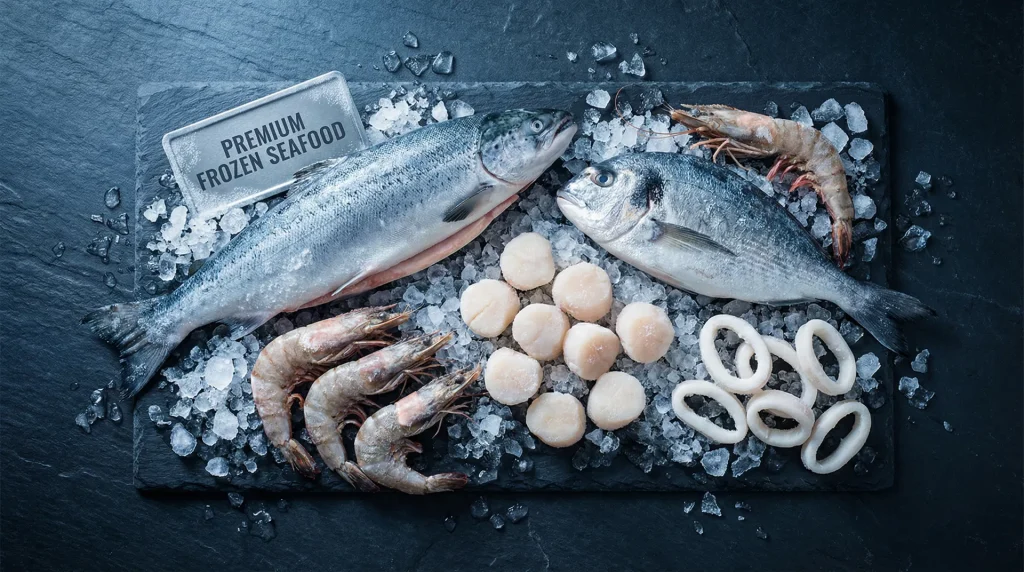
While local ingredients provide a unique Canadian touch, the heart of a truly exceptional omakase menu often lies in premium ingredients sourced directly from Japan. This is where a reliable and specialized supplier becomes indispensable. True World Foods Canada, with its robust cold chain logistics and deep connections to Japanese markets, ensures that chefs have access to the freshest and highest quality seafood, from bluefin tuna to rare varieties of uni. Their JapanFish Express service provides direct, expedited shipping, meaning fish that was swimming in Japanese waters can be on a diner's plate in Canada within 48 hours. This access to pristine ingredients is non-negotiable for any serious omakase chef, allowing them to present flavors and textures that are simply unattainable otherwise.
Balancing the Familiar and the Adventurous
Crafting an omakase menu for a Canadian audience requires a thoughtful balance between familiar favorites and more adventurous items. While a seasoned sushi connoisseur might be excited by a plate of shirako (cod milt), a first-time omakase diner might be more comfortable starting with a perfectly seared piece of salmon belly. The key is to build trust throughout the meal. Start with dishes that are approachable and universally appealing, showcasing the quality of your ingredients and the precision of your technique. This builds a foundation of confidence, making guests more receptive to trying something new and unfamiliar later in the meal.
Education is a subtle but important part of this process. The chef's role is to guide the diner, not to lecture them. A brief, passionate explanation of a unique ingredientwhere it comes from, why it's special, and the best way to enjoy itcan transform a moment of hesitation into one of exciting discovery. For example, when presenting a piece of shima-aji (striped jack), the chef might mention its clean, sweet flavor profile and its limited seasonal availability. This context enriches the experience, turning the meal into an engaging and educational journey. By carefully curating this balance, you can create an omakase that is both accessible to newcomers and exciting for aficionados.
The Perfect Pairing: Integrating Beverages
An omakase menu is a symphony of flavors, and the right beverage pairing can elevate it to a whole new level. Sake is the traditional and most natural partner for sushi and Japanese cuisine, with its wide range of profiles from crisp and dry to rich and umami-laden. A well-curated sake pairing menu can mirror the progression of the food, with lighter sakes for delicate sashimi and more robust sakes for richer, cooked dishes. However, don't be afraid to think beyond sake. High-quality Japanese teas, such as gyokuro or sencha, can offer a complex and refreshing non-alcoholic pairing option. Even carefully selected white wines, like a crisp Riesling or a mineral-driven Chablis, can complement the clean flavors of the food.
Developing a compelling beverage program requires expertise and a close collaboration between the chef and the sommelier or beverage director. Staff training is paramount. Your front-of-house team should be able to confidently explain the pairings, sharing the story behind each selection and how it enhances the dish. They should be trained to observe guest preferences and make knowledgeable recommendations. Whether it's a flight of three sakes for $50 or a premium, course-by-course pairing for $120, the beverage program should be presented as an integral part of the omakase experience, an opportunity to deepen the diner's journey into Japanese gastronomy.
Managing Food Costs in a High-End Format
While omakase menus command high prices, they also come with significant food costs, often ranging from 35% to 45% of the menu price due to the use of premium, perishable ingredients. Effective cost management is therefore crucial for profitability. One of the most important strategies is minimizing waste. The omakase format itself, with its fixed menu and portion sizes, provides a degree of control. Every part of the fish should be utilized, from the prime cuts for nigiri to the scraps for making flavorful broths or hand rolls. Precise portion control is also essential. Using a digital scale to weigh each piece of fish ensures consistency and helps manage costs over time.
Building a strong, strategic relationship with your suppliers is another key to managing food costs. A partner like True World Foods Canada can provide more than just ingredients; they can offer valuable insights into market trends, seasonal availability, and upcoming specials. Consolidating your purchasing with a single, reliable supplier can also lead to better pricing and preferential access to limited-availability items. By working closely with your supplier and communicating your needs, you can better plan your menus, take advantage of seasonal opportunities, and ultimately control your costs without ever compromising on the quality that defines the omakase experience.
Creating Theatrical Moments: The Chef's Performance
The omakase counter is a stage, and the chef is the lead performer. In this intimate setting, every action is scrutinized and contributes to the overall experience. Theatricality is not about empty gestures; it's about showcasing the skill, precision, and artistry that go into each dish. The rhythmic sound of a knife against the cutting board, the focused intensity of the chef's gaze as they form a piece of nigiri, the final, delicate brush of nikiri soy saucethese are all part of the performance. These moments of focused craftsmanship create a sense of anticipation and reverence, elevating the meal from a simple dinner to a captivating culinary event.
Creating 'wow' moments is about punctuating the meal with memorable highlights. This could be the dramatic searing of a piece of wagyu beef with a blowtorch, the intricate scoring of a piece of ika (squid) to create a beautiful pattern, or the presentation of a rare, seasonal ingredient that the diner has never seen before. The interaction between the chef and the guest is also a key part of the theater. Explaining the origin of a particular fish, answering questions with passion and knowledge, and sharing a personal anecdote can create a powerful connection. This direct engagement makes the diner feel like a participant in the performance, not just a spectator, leaving them with a lasting impression and a story to tell.