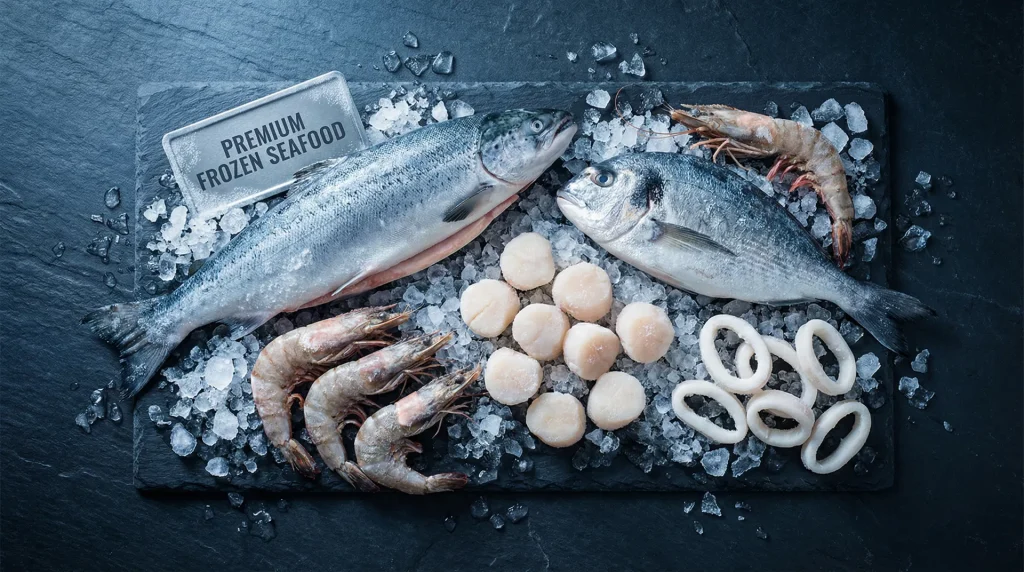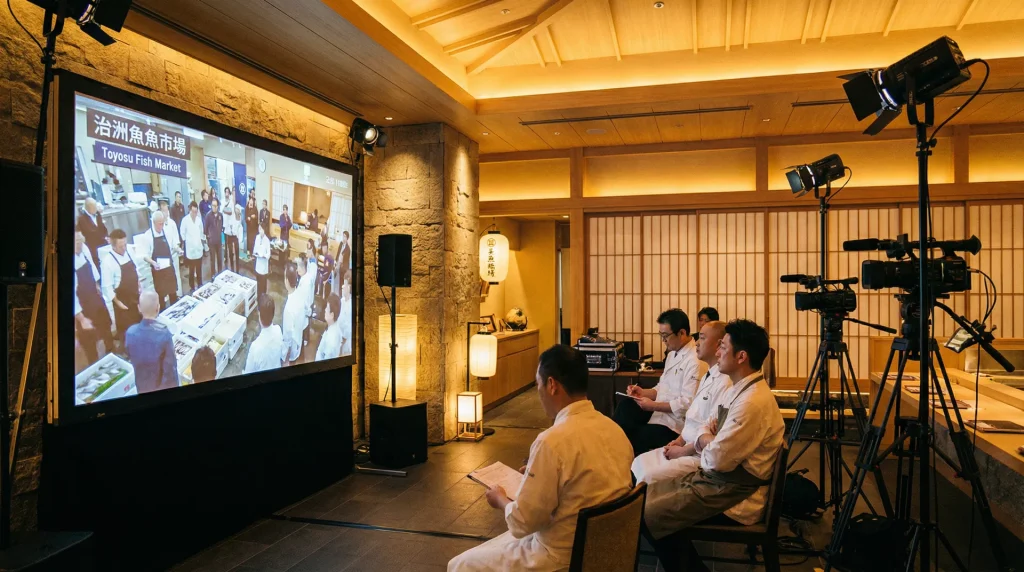
In Japanese culinary philosophy, the concept of shun (旬), eating ingredients at their peak seasonal moment, is not merely a preference; it is a fundamental principle that governs menu design, purchasing decisions, and the dining experience itself. A piece of buri (yellowtail) in January, when the fish has accumulated its maximum fat content for winter, is a completely different product from the same species in July. Understanding and leveraging these seasonal cycles is one of the most powerful tools available to Canadian chefs working with Japanese ingredients.
This guide provides a month-by-month calendar of seasonal fish availability from Japan and the Pacific, along with practical guidance on pricing trends, menu pairing suggestions, and purchasing strategies. Whether you run a high-end omakase counter or a casual izakaya, aligning your menu with nature's rhythms will improve both your food quality and your bottom line.
Why Seasonality Matters: Quality, Cost, and Authenticity
Seasonality affects three critical dimensions of your seafood program. First, quality: fish at their seasonal peak have optimal fat content, flavor, and texture. A winter buri has 15-20% fat content compared to 5-8% in summer, the difference is immediately apparent on the palate. Second, cost: when a species is in peak season, supply is abundant and prices are typically 30-50% lower than off-season. Buying against the season means paying premium prices for inferior quality. Third, authenticity: Japanese guests and food enthusiasts expect seasonal menus. Serving sanma in spring or ayu in winter signals a lack of understanding that can undermine your credibility.
For Canadian chefs, seasonality has an additional dimension: the interaction between Japanese fishing seasons and Pacific Northwest seasons. By combining both sources strategically, you can maintain a diverse, high-quality sashimi program year-round without relying on frozen product during any season.
Spring (March, May): Renewal and Delicacy
Spring in Japan marks the beginning of several prized fishing seasons and is characterized by lighter, more delicate flavors that reflect the season's aesthetic of renewal.
Tai (Sea Bream) reaches its peak in spring, particularly around March-April when it is known as sakura-dai (cherry blossom sea bream). The flesh is firm, sweet, and subtly complex, perfect for usuzukuri (thin slicing), kobujime (kelp-cured), or simply as nigiri. Spring tai is one of the most cost-effective premium sashimi options, with prices typically 25-30% below autumn levels.
Sawara (Spanish Mackerel) is at its best from March through May. The flesh is rich but not overwhelming, with a clean finish that pairs beautifully with citrus-based preparations. Excellent for tataki (seared) or as aburi nigiri. Pricing is very favorable during peak season.
Hotaru Ika (Firefly Squid) is available only from March to June, with peak quality in April-May. These tiny, luminescent squid are a seasonal delicacy that creates genuine excitement among Japanese food enthusiasts. Served boiled with vinegar miso (sumiso) or as tempura, they are a powerful seasonal menu item that signals authenticity.
Sayori (Halfbeak) is a spring specialty prized for its translucent, silver-skinned flesh and delicate sweetness. It requires skilled knife work to prepare as sashimi but rewards the effort with one of the most elegant presentations in Japanese cuisine. Available March through May.
From the Pacific Northwest, spring brings the beginning of spot prawn season (May) and excellent halibut. These local species complement Japanese imports beautifully, allowing you to build a spring sashimi program that combines the best of both regions.
Summer (June, August): Bold Flavors and Abundance
Summer is the season of bold, assertive flavors and abundant variety. It is also when several of Japan's most iconic seasonal ingredients reach their peak.
Uni (Sea Urchin) from Hokkaido enters its prime season in June and continues through August. Hokkaido uni, particularly from Rebun and Rishiri islands, is considered the finest in the world, with a creamy, sweet intensity that is unmatched. Summer is when you should feature uni prominently on your menu, as both quality and availability peak. Expect to pay premium prices, but the quality justifies the investment.
Anago (Conger Eel) is a summer specialty that offers a lighter, more delicate alternative to unagi (freshwater eel). At its best from June through August, anago has a subtle sweetness and tender texture that works beautifully as nigiri, tempura, or simmered (nitsume). It is significantly less expensive than unagi and offers excellent margins.
Ayu (Sweetfish) is the quintessential summer fish in Japan, available from June through September. These small river fish are traditionally grilled whole over charcoal (shioyaki) and eaten head to tail. Offering ayu on your summer menu is a powerful signal of seasonal awareness and culinary sophistication. Availability in Canada is limited, so advance ordering through our JapanFish Express service is recommended.
Katsuo (Bonito) has two peak seasons, the first in early summer (hatsu-gatsuo, May-June) when the fish are lean and clean-flavored, and the second in autumn (modori-gatsuo, September-October) when they are fattier and richer. Summer katsuo is traditionally served as tataki with ginger, garlic, and ponzu. It offers excellent value and is one of the most approachable sashimi options for non-Japanese diners.
Pacific Northwest summer brings excellent sockeye salmon, albacore tuna, and Dungeness crab. These local species provide both variety and value alongside Japanese imports.
Autumn (September, November): Richness and Depth
Autumn is widely considered the best season for Japanese seafood, as many species reach peak fat content in preparation for winter. This is the time to build your most ambitious sashimi and omakase programs.
Sanma (Pacific Saury) is the iconic autumn fish, available from September through November. When fresh (not frozen), sanma has a rich, oily flesh that is extraordinary when grilled whole with salt and served with grated daikon and sudachi citrus. Fresh sanma from Japan is increasingly rare and commands premium prices, but it is one of the most powerful seasonal menu items you can offer.
Sake (Salmon) reaches peak quality in autumn as fish return to their spawning rivers. Wild Pacific salmon, particularly sockeye and king, are at their fattiest and most flavorful. Japanese ikura (salmon roe) is also at its best in autumn, with large, jewel-like eggs that burst with umami. Autumn is the ideal time to feature both salmon sashimi and ikura prominently.
Modori-Gatsuo (Returning Bonito) arrives in September-October, significantly fattier than its spring counterpart. The increased fat content makes autumn katsuo ideal for sashimi, while spring katsuo is better suited to tataki. This seasonal distinction is a hallmark of sophisticated Japanese menu planning.
Matsutake Mushroom, while not a fish, is the defining autumn ingredient in Japanese cuisine and pairs magnificently with seasonal seafood. Matsutake dobin mushi (clear soup steamed in a teapot) with hamo (pike conger) or tai is a classic autumn combination that elevates any kaiseki or omakase program.
Saba (Mackerel) reaches peak fat content in autumn, earning the designation shime-saba season. Properly cured autumn mackerel is one of the most satisfying sashimi preparations, with a rich, complex flavor that converts even skeptics.
Winter (December, February): Peak Luxury
Winter is the season of Japan's most luxurious seafood, when cold water temperatures drive fish to their maximum fat content and flavor intensity. This is the time to invest in premium ingredients and command premium prices.
Buri (Japanese Yellowtail) in winter, known as kan-buri, is one of the greatest delicacies in Japanese cuisine. The fat content reaches 15-20%, creating an incredibly rich, buttery flesh that melts on the tongue. Winter buri from Toyama Bay is particularly prized. Serve as sashimi, shabu-shabu, or teriyaki. This is a must-have for any serious Japanese restaurant during winter months.
Fugu (Pufferfish) season runs from October through March, with peak quality in January-February. While fugu requires special licensing to prepare in Japan, imported fugu products (pre-cleaned and certified safe) are available for Canadian restaurants. Fugu sashimi (tessa) and fugu hot pot (tecchiri) are extraordinary winter offerings that create memorable dining experiences.
Tara (Cod) and Shirako (Cod Milt) are winter specialties that showcase the Japanese approach to whole-fish utilization. While cod flesh is used for nabe (hot pot) and other preparations, shirako, the milt sac, is considered a winter delicacy of the highest order. Served lightly poached with ponzu or as tempura, shirako has a creamy, custard-like texture that is unlike anything else in the culinary world.
Amaebi (Sweet Shrimp) reaches peak sweetness in winter, when cold water temperatures concentrate the natural sugars in the flesh. Winter amaebi is noticeably sweeter and firmer than summer specimens. Serve raw as nigiri or sashimi, with the heads deep-fried as a complementary garnish.
Hon Maguro (Bluefin Tuna) is available year-round, but winter specimens, particularly from Oma in Aomori Prefecture, are considered the finest. The combination of cold water and abundant feeding produces tuna with extraordinary otoro (fatty belly) that commands the highest prices at Toyosu Market.
Building a Seasonal Purchasing Strategy
Implementing a seasonal purchasing strategy requires planning, flexibility, and a strong supplier relationship. Here are the practical steps to get started:
First, design your menu with seasonal flexibility built in. Rather than listing specific species, consider menu descriptions like 'Today's Sashimi Selection, 5 pieces of chef's choice seasonal fish' or 'Seasonal Nigiri Omakase.' This gives you the freedom to purchase whatever is at peak quality and value on any given day.
Second, establish a communication rhythm with your supplier. At True World Foods, we provide weekly market updates that include current availability, pricing trends, and seasonal recommendations. Use this intelligence to plan your purchasing 1-2 weeks ahead, adjusting your menu emphasis based on what the market offers.
Third, educate your staff and your guests. Train your servers to explain why you are featuring certain fish this month and not others. Create table cards or menu inserts that tell the seasonal story. Guests who understand shun become loyal customers who return specifically to experience each season's offerings.
Fourth, use our downloadable Seasonal Fish Calendar as a planning tool. Print it and hang it in your kitchen as a year-round reference. It covers over 50 species with month-by-month availability, peak quality windows, and suggested preparations. Download it free from our Resources page.
Seasonal eating is not a constraint, it is a liberation. When you stop trying to offer everything all the time and instead focus on what is genuinely at its best right now, your food improves, your costs decrease, and your guests experience something authentic and meaningful. That is the power of shun.