The Power of a Picture in Modern Dining
In today's digital-first world, your customers often eat with their eyes long before they set foot in your restaurant. A scroll through Instagram, a glance at a delivery app, or a visit to your website forms their first impression. For Japanese cuisine, where presentation is paramount, high-quality food photography is not just a marketing asset; it is an essential extension of the dining experience itself. Powerful visuals can halt a potential customer's endless scrolling, transforming casual interest into a confirmed reservation or a new delivery order. It’s the silent ambassador for your brand, communicating the quality, artistry, and freshness of your dishes 24/7.
For Japanese restaurant owners and chefs across Canada, mastering food photography is a critical skill that directly impacts the bottom line. In a competitive market, stunning images differentiate your establishment, telling a story of authenticity and meticulous care. They justify a premium price point and build anticipation for the unique experience you offer. Whether you're promoting a new omakase menu, showcasing the vibrant colours of a chirashi bowl, or highlighting the delicate marbling of otoro, your photos are your primary tool for communication. This guide will provide practical, actionable steps to capture the essence of your Japanese cuisine, turning your visual content into a powerful engine for growth.
Smartphone vs. Professional Camera: Choosing Your Tool
Getting Professional Results with Your Smartphone
The idea that you need thousands of dollars in camera equipment to take stunning food photos is a common misconception. Modern smartphones, such as the latest iPhone or Google Pixel models, are equipped with incredibly powerful cameras capable of producing professional-grade results. The key is to understand and leverage their built-in features. Start by enabling the gridlines in your camera settings; this simple tool is invaluable for applying compositional rules like the rule of thirds. Utilize 'Portrait Mode' to create a shallow depth of field, which artfully blurs the background and brings the main dish into sharp, tantalizing focus. However, it is crucial to avoid using the digital zoom function, as it significantly degrades image quality by simply cropping the sensor's image. Instead, physically move your phone closer to the dish to frame your shot perfectly.
To elevate your smartphone photography further, consider a few inexpensive accessories and apps. A small, portable tripod can eliminate camera shake, ensuring your images are crisp and clear, which is especially important in lower light conditions. You can also find affordable lens attachments that offer macro or wide-angle capabilities. Post-production is just as important; editing apps like Adobe Lightroom Mobile or Snapseed provide granular control over exposure, contrast, white balance, and saturation. These tools allow you to correct colours and enhance details, ensuring the final image accurately represents the vibrant, fresh appeal of your Japanese dishes. With a little practice, your smartphone can become a formidable tool for creating a compelling visual menu.
Smartphone vs. Professional Camera: Choosing Your Tool
When to Invest in a Professional DSLR/Mirrorless Camera
While smartphones offer incredible convenience and quality, there are specific situations where investing in a professional DSLR or mirrorless camera is a strategic business decision. These cameras provide unparalleled control and image fidelity, which is essential for high-stakes marketing materials. The primary advantage lies in manual control over the exposure triangle: aperture, shutter speed, and ISO. This allows a photographer to precisely manipulate depth of field for creative effect, capture motion without blur, and produce clean images in challenging lighting conditions. Furthermore, the ability to use interchangeable lenses is a game-changer. A macro lens can capture the intricate details of a single grain of rice or the texture of uni, while a prime lens with a wide aperture (e.g., f/1.8) produces a beautiful, creamy background blur (bokeh) that makes the subject pop.
A professional camera setup is the recommended choice for creating cornerstone visual assets for your brand. This includes hero images for your website's homepage, high-resolution photographs for printed menus, and captivating visuals for major advertising campaigns or magazine features. The superior resolution and larger sensor size of a DSLR or mirrorless camera produce files that can be printed in large formats without any loss of quality. When your goal is to create a definitive and polished visual identity that communicates premium quality, the investment in professional equipmentor hiring a photographer who uses itis not just justified, it's necessary. These are the images that will define your brand for years to come.
Mastering Light: The Key to Appetizing Photos
Harnessing Natural Light for Sushi and Sashimi
Light is the single most important ingredient in food photography. For delicate items like sushi and sashimi, where freshness and texture are the stars, natural light is your greatest ally. The best setup is often the simplest: a table next to a large window with soft, indirect sunlight. This type of diffused light wraps around the food gently, highlighting its natural colours and textures without creating harsh, unappetizing shadows. Direct sunlight, on the other hand, can create blown-out highlights and deep, dark shadows that obscure detail and can even make pristine fish appear greasy or discoloured. If the sunlight is too strong, you can easily diffuse it by hanging a thin white sheet or a piece of parchment paper over the window, creating a natural softbox effect that is ideal for food.
Timing and positioning are everything when working with natural light. The light is often softest and most flattering during the ‘golden hours’the first hour after sunrise and the last hour before sunset. However, any time of day can work with proper diffusion. Position your dish so the light is coming from the side (side lighting) or from behind and to the side (backlighting). This technique creates soft shadows that define the shape and texture of the food, making it look three-dimensional and more appealing. For instance, side lighting can beautifully capture the subtle translucency of a slice of fluke or the glistening texture of salmon roe, details that are often lost with direct, frontal lighting.
Mastering Light: The Key to Appetizing Photos
Artificial Lighting Without the Glare
While natural light is ideal, restaurant operations often extend into the evening, making artificial light a necessity for capturing content during service or for special events. The most critical rule when using artificial light is to avoid the on-camera flash at all costs. The direct, harsh light from a built-in flash flattens the image, creates unattractive specular highlights (hot spots), and casts dark, distracting shadows. It instantly makes even the most beautifully prepared dish look cheap and unappetizing. It’s the fastest way to signal an amateur photograph to your audience, undermining the premium quality you aim to convey.
Instead, invest in off-camera lighting solutions that allow you to replicate the soft, directional qualities of natural light. A continuous LED panel with an adjustable dimmer and colour temperature is a versatile and affordable starting point. For more control, a softbox is an excellent tool; it’s essentially a light source enclosed in a box with a diffusion panel on the front, which creates a large, soft light source that mimics a window. When setting up your shot, position the light source to the side or slightly behind the dish, just as you would with natural light. This creates the same desirable modeling and texture. Remember to turn off or dim the ambient overhead restaurant lights, as they can cast a yellow or orange hue and create competing shadows, interfering with your carefully crafted lighting setup.
Composition: Applying Japanese Aesthetics to Your Photos
Beyond the Rule of Thirds
Effective composition guides the viewer's eye and tells a story. While the rule of thirdsplacing your subject on the intersecting lines of a 3×3 gridis a solid foundation, Japanese aesthetics offer a more nuanced approach that is perfectly suited to the cuisine. One of the most powerful concepts is **Ma (間)**, which can be translated as negative space or the 'interval' between elements. In photography, Ma is the intentional use of empty space to give the subject breathing room. Instead of tightly cropping around a sushi platter, leaving generous space around it creates a sense of elegance, focus, and serenity. This technique draws the eye directly to the dish, emphasizing its importance and artistry against a clean, uncluttered background.
Another key principle is the preference for asymmetry and balance. While Western composition often favors symmetry, Japanese art and design frequently use asymmetrical arrangements to create a more dynamic and natural feeling. Think about the placement of items in a bento box or the arrangement of a moriawase platter; elements are often grouped in odd numbers (three, five, or seven) and placed off-center to create a visual flow. In your photography, this means resisting the urge to perfectly center every dish. Try positioning the main plate slightly to one side and balancing it with a smaller element, like a sake cup or a small dish of soy sauce, on the other side. This creates a more engaging and visually sophisticated composition that feels both intentional and effortlessly balanced.
Composition: Applying Japanese Aesthetics to Your Photos
Finding the Perfect Angle
The angle from which you shoot can dramatically alter the mood and message of your photograph. For Japanese cuisine, two angles are particularly effective: the overhead shot and the 45-degree angle. The overhead shot, also known as a flat lay, is taken from directly above the table. This angle is perfect for showcasing the graphic beauty of a dish, the intricate arrangement of a sushi platter, or a collection of multiple dishes and drinks. It transforms the composition into a two-dimensional canvas, emphasizing color, shape, and pattern. This perspective is extremely popular on Instagram and is ideal for creating a clean, modern aesthetic. It works best for flatter dishes like sashimi, chirashi bowls, and maki rolls.
The 45-degree angle, often called the 'diner's perspective,' is shot from the angle at which a person would naturally view their food while seated. This is arguably the most versatile angle for food photography. It creates a sense of depth and allows you to showcase the height, volume, and texture of a dish. This angle is excellent for capturing the layers in a piece of nigiri, the steam rising from a bowl of ramen, or the three-dimensional structure of a tempura assortment. When shooting at this angle, pay close attention to your background. Use a wide aperture (a low f-stop number) on your camera to create a shallow depth of field, which will blur the background and ensure your main dish remains the hero of the shot.
Styling Secrets for Japanese Cuisine
It's All in the Details
In Japanese cuisine, the details are not just details; they are the essence of the presentation. Food styling for photography is about enhancing the natural beauty of the dish with intentional, thoughtful touches. Chopstick placement, for example, should feel natural and inviting. They can be placed neatly beside the plate or resting on a hashi-oki (chopstick rest). Avoid sticking them upright in a bowl, as this is associated with funeral rites and is a significant cultural faux pas. Garnishes play a crucial role in adding color, texture, and authenticity. A vibrant green shiso leaf separating different types of sashimi, a perfectly formed mound of grated daikon, or a few glistening ikura (salmon roe) on top of a roll can elevate the entire image. The choice of plateware is equally important. Select plates that complement the food in color, texture, and shape. A rustic, dark ceramic plate can make the colors of sushi pop, while a simple wooden board can lend a warm, organic feel.
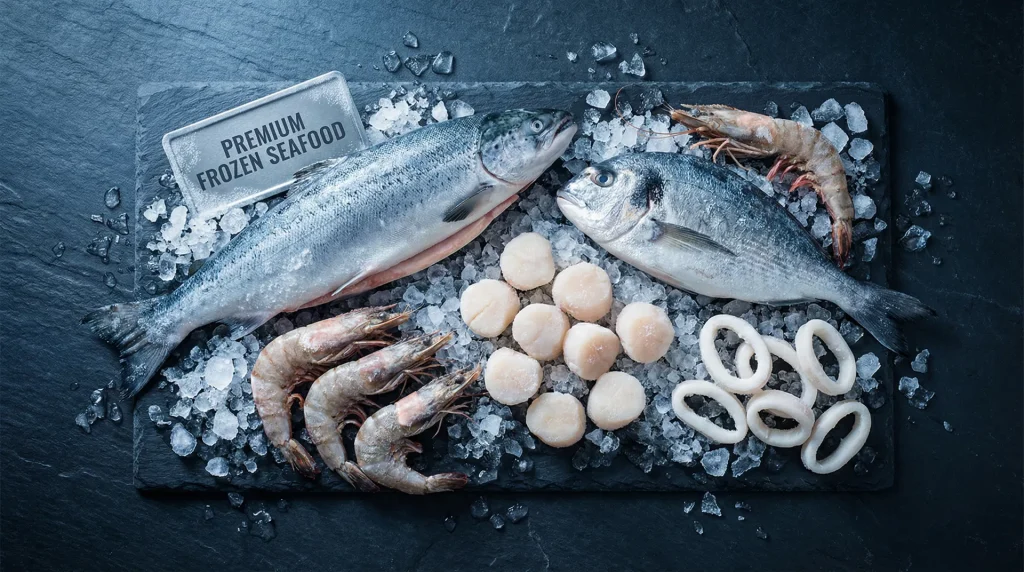
The ultimate goal of styling is to make the food itself look as fresh and delicious as possible. This begins not with styling tricks, but with the quality of the ingredients themselves. When you start with exceptionally fresh, high-quality fish and seafood, the product does most of the work for you. Sourcing from a trusted supplier like **True World Foods Canada** ensures that the visual appeal is inherent in the ingredients. The deep, translucent red of premium bluefin tuna or the bright, clean appearance of hamachi from **JapanFish Express** provides a foundation that no amount of styling can replicate. To enhance this natural quality, a light spritz of water can rejuvenate greens, and a gentle brush of oil can add an appealing sheen to cooked items like unagi. The styling should always serve the food, highlighting the quality that begins with an impeccable supply chain.
Optimizing for Instagram and Social Media
Social media, particularly Instagram, is a visual battleground where your restaurant's photography is your primary weapon. To succeed, you must optimize your content for the platform. This starts with understanding the ideal formats. While a square (1:1 aspect ratio) image is still effective for the main Instagram grid, vertical content is now king. Shooting in a 4:5 vertical aspect ratio for posts will take up more screen real estate, grabbing more attention. For Instagram Stories and Reels, a 9:16 vertical format is essential. When shooting, keep these formats in mind and compose your shots with enough negative space to allow for cropping without losing key elements of the dish.
Beyond formatting, a consistent visual identity is crucial for brand recognition. Develop a distinct editing stylewhether it's bright and airy, dark and moody, or vibrant and colorfuland apply it to all your photos. This creates a cohesive and professional-looking feed that tells a consistent brand story. Your captions are just as important as your images. Use them to tell the story behind the dish: describe the unique ingredients, share the chef's inspiration, or explain the traditional technique used in its preparation. Engage your audience by asking questions and encouraging them to share their experiences. Finally, leverage hashtags strategically. Use a mix of broad hashtags (e.g., #JapaneseFood, #Sushi), location-specific tags (e.g., #VancouverFoodie, #TorontoRestaurants), and branded hashtags (e.g., #YourRestaurantName) to maximize your reach within the Canadian market and attract customers actively searching for a dining experience like yours.
Building a Visual Content Library
Effective marketing requires a steady stream of high-quality content, and constantly scrambling to take a photo right before service is an inefficient strategy. A much more effective approach is to proactively build a comprehensive visual content library. Think of this as creating a bank of photo assets that you can draw from for all your marketing needs, from daily social media posts to website updates, email newsletters, and press kits. This approach ensures you always have a professional image ready to go, allowing you to be more strategic and consistent with your marketing efforts. It saves you from the stress of last-minute content creation and elevates the overall quality of your brand's visual presence.
The most efficient way to build your library is through batch shooting. Dedicate a specific day or a few hours per month solely to photography. Prepare a detailed shot list in advance, outlining every dish, drink, and scene you want to capture. This could include your entire menu, shots of the restaurant's interior, and even behind-the-scenes photos of the chefs at work. During the shoot, capture each dish from multiple angles and in various compositions. This variety will give you a wealth of content to use over several weeks or months. By investing this time upfront, you create a valuable and lasting asset for your business, ensuring your marketing channels are always populated with beautiful, professional imagery that reflects the quality of your restaurant.
Working with a Professional Food Photographer
While DIY photography is a valuable skill, there are times when hiring a professional is the best investment for your restaurant. A professional food photographer brings not only technical expertise and high-end equipment but also an artistic eye and years of experience in making food look irresistible. Consider hiring a professional for critical projects like a complete menu overhaul, a website redesign, or a major promotional campaign. These are foundational assets that will represent your brand for a long time, and the quality should be impeccable. A professional can create a cohesive and polished set of images that establish a strong, premium brand identity from the very first glance.
Finding the right photographer is crucial. Look for someone whose portfolio demonstrates specific experience in food photography, ideally with Japanese cuisine. They will understand the nuances of lighting delicate fish and styling minimalist presentations. When you reach out, be prepared to discuss your vision, brand identity, and goals for the shoot. Create a detailed shot list specifying the dishes to be photographed and the intended use for the images (e.g., social media, website banner, print menu). On the day of the shoot, have all ingredients prepped and ready to go, and ensure the chef is available to plate the dishes. Clear communication and thorough preparation are key to a successful collaboration that results in a powerful visual library for your brand.
The ROI of Great Photography: From Clicks to Customers
Investing in high-quality food photography is not an expense; it is a direct investment in revenue generation. In the digital marketplace, your photos are doing the heavy lifting of sales. On platforms like Instagram or delivery apps like DoorDash and Uber Eats, customers are faced with a sea of options. A compelling, professional photograph is what stops their scroll and entices them to click on your listing over a competitor’s. Studies and platform data consistently show that restaurants with higher-quality images see significantly higher click-through rates and order volumes. A hypothetical but realistic 25% increase in engagement or clicks can translate directly into a substantial rise in daily orders and reservations.
This return on investment extends beyond immediate sales. A strong visual identity builds brand equity and trust. When a customer sees a stunning photo of a dish, they are also seeing a promise of quality and a preview of the experience to come. This promise must be fulfilled upon delivery or visit. This is where the entire operational chain becomes part of the visual story. Using a supplier like **True World Foods** that employs an advanced **cold chain management** system ensures the product that arrives at your kitchen is in peak condition. This commitment to quality means the dish you serve looks just as fresh and vibrant as it did in the photograph, closing the loop between marketing and reality. Ultimately, great photography, backed by an unwavering commitment to quality, is a powerful combination that turns viewers into loyal customers and drives sustainable growth for your restaurant.