The Art and Science of Sake and Seafood Pairing
In the intricate world of gastronomy, the harmony between beverage and food can elevate a meal from merely satisfying to truly unforgettable. For restaurant professionals, mastering these pairings is not just an art form but a crucial business strategy. This is especially true for the delicate interplay between sake and seafood, a combination deeply rooted in Japanese culinary tradition. A well-curated sake program can significantly enhance the dining experience, showcasing the freshness and quality of your seafood offerings while boosting per-table revenue. This guide will provide a comprehensive framework for chefs and restaurateurs in Canada to develop an expert approach to sake and seafood pairing, transforming your establishment into a destination for discerning diners seeking an authentic and sophisticated experience.
This journey into pairing begins with understanding that sake, much like wine, possesses a vast spectrum of profiles, from light and fragrant to rich and earthy. The goal is to create synergy on the palate, where the characteristics of the sake complement and amplify the flavors of the seafood. We will explore the fundamental classifications of sake, the critical role of serving temperature, and the science behind the umami synergy that makes this pairing so magical. By delving into specific recommendations for different types of seafood preparations, from delicate sashimi to robust grilled dishes, you will gain the practical knowledge needed to build a compelling and profitable sake menu that resonates with your clientele and sets your restaurant apart in a competitive market.
Understanding Sake: A Foundation for Perfect Pairings
Decoding Sake Classifications
To build a successful pairing menu, one must first speak the language of sake. The primary classifications are determined by the rice polishing ratio (seimaibuai) and the addition of distilled brewer's alcohol. **Junmai** is pure rice sake, with no added alcohol, typically resulting in a richer, fuller-bodied profile with higher acidity, making it a versatile food-pairing sake. Within this category, you find variations like Tokubetsu Junmai and Junmai Ginjo. **Ginjo** and **Daiginjo** sakes are brewed from rice polished to at least 60% and 50% respectively. They are often more aromatic, complex, and lighter in body, with fruity and floral notes. The addition of a small amount of brewer's alcohol in non-Junmai Ginjo and Daiginjo can help to draw out more fragrant esters. Lastly, **Honjozo** is polished to at least 70% and has a small amount of added alcohol, creating a lighter, smoother, and often more fragrant profile that can be very food-friendly.
Understanding these categories is the first step to curating a balanced sake list. A good starting point is to offer a selection that covers the main profiles: a crisp and fragrant Daiginjo for sipping, a versatile and food-friendly Junmai Ginjo, a robust and earthy Junmai, and perhaps a smooth Honjozo for easy drinking. This allows you to cater to different palates and create a wide range of pairing possibilities. Educating your staff on these distinctions is paramount, as they are the ambassadors of your sake program, guiding guests through the selection process with confidence and expertise.
Understanding Sake: A Foundation for Perfect Pairings
The Importance of Serving Temperature
Serving temperature is a critical, yet often overlooked, variable that can dramatically alter the flavor and aroma profile of sake. Unlike wine, sake can be enjoyed across a wide range of temperatures, from chilled (reishu, around 5-10°C) to warm (atsukan, up to 50-55°C). As a general rule, fragrant and delicate sakes like Ginjo and Daiginjo are best served chilled to preserve their subtle aromatics. Serving them too cold, however, can mute their flavors. A range of 8-12°C is often ideal. Fuller-bodied and umami-rich sakes, such as Junmai and Honjozo, are more versatile. They can be enjoyed chilled, at room temperature (hiya), or gently warmed (nurukan, around 40°C), which can accentuate their sweetness and acidity while softening their texture.
Experimenting with temperature can unlock new dimensions in your pairings. For instance, a chilled, crisp Junmai Ginjo might be perfect with a light white fish sashimi, while the same sake served at room temperature could pair beautifully with a slightly richer scallop dish. Warming a robust Junmai can create a comforting and savory pairing for grilled mackerel or eel, as the heat enhances the sake's umami and cuts through the richness of the fish. We recommend investing in proper sake warming equipment (chirori or kansuke) to ensure precise temperature control. Offering a flight of the same sake at three different temperatures can be a fantastic educational tool for your guests and a unique selling point for your restaurant.
The Umami Synergy: Why Sake and Seafood Are a Perfect Match
The magic of pairing sake with seafood lies in the concept of **umami**, the fifth taste, often described as a savory, brothy, or meaty flavor. Both sake and seafood are naturally rich in the molecules responsible for umami, primarily glutamate and inosinate. When consumed together, these compounds create a synergistic effect, amplifying the overall flavor intensity far beyond what either component could achieve alone. This is why a sip of sake after a bite of fresh sashimi can create an explosion of flavor on the palate. Furthermore, sake is low in iron and sulfites, compounds found in many wines that can react with the oils in fish to create an unpleasant metallic or fishy aftertaste. Sake's composition ensures a clean and refreshing finish, cleansing the palate and preparing it for the next bite.
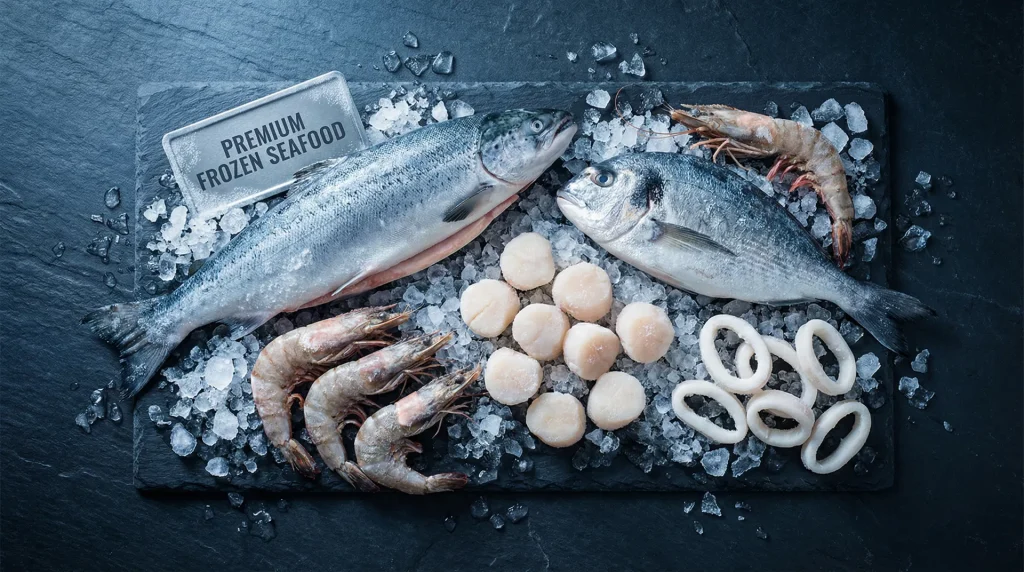
The key to leveraging this synergy is to match the intensity of umami in both the sake and the dish. A delicate, clean Junmai Ginjo with its subtle umami notes will elevate the sweetness of a fresh, high-quality scallop or spot prawn, sourced through a reliable purveyor like **True World Foods Canada's JapanFish Express** service, which guarantees peak freshness. On the other hand, a rich, aged koshu or a full-bodied Junmai with its deep, mushroom-like umami profile can stand up to and complement the powerful flavors of grilled unagi or a rich seafood stew. Understanding this balance is fundamental to moving from good pairings to truly exceptional ones.
Classic Pairings: A Chef's Cheat Sheet
Light & Delicate: Sashimi and Crudo
For delicate, raw preparations like sashimi, crudo, and usuzukuri, the goal is to complement, not overpower, the subtle flavors of the fish. The quality of the seafood is paramount here, and sourcing through a trusted supplier that prioritizes a meticulous **cold chain** from ocean to kitchen is non-negotiable. For light white fish such as hirame (fluke), madai (sea bream), or kanpachi (amberjack), a crisp, clean, and aromatic **Junmai Ginjo** is an impeccable choice. Its gentle fruitiness and clean finish will enhance the natural sweetness of the fish without masking its delicate texture. Look for sakes with notes of green apple, melon, and a hint of white flower.
When serving slightly richer raw items like scallops (hotate) or botan ebi (spot prawns), you can opt for a sake with a bit more body and a rounder mouthfeel. A **Junmai Daiginjo** with a soft, elegant profile can work beautifully, its refined aromatics and silky texture mirroring the luxuriousness of the seafood. The key is to avoid sakes that are overly bold or have a strong, rice-forward character, as they can clash with the clean profile of the raw fish. The pairing should feel seamless, a dance of subtlety and elegance on the palate.
Classic Pairings: A Chef's Cheat Sheet
Rich & Fatty: Tuna, Salmon, and Mackerel
When the seafood gets richer and oilier, the sake needs more structure and acidity to cut through the fat and cleanse the palate. For fatty tuna cuts like chutoro and otoro, or rich fish like salmon and saba (mackerel), a robust **Junmai** sake is the classic answer. The higher acidity and savory, rice-forward character of a good Junmai provide a beautiful contrast to the richness of the fish, preventing the palate from becoming overwhelmed. Sakes with earthy, mushroom-like notes can also complement the deep flavors of these fish, creating a complex and satisfying pairing.
Another excellent option for fatty fish is a **Yamahai** or **Kimoto** style sake. These traditional brewing methods result in sakes that are gamier, funkier, and have a higher lactic acidity. This assertive profile can stand up to even the strongest fish flavors, creating a dynamic and exciting pairing. Imagine a slightly warmed Kimoto Junmai alongside a piece of flame-seared aburi otoro; the warmth of the sake melts the fat of the tuna, while its acidity and complexity create a truly memorable flavor combination. Don't be afraid to experiment with these bolder styles; they can be a revelation for adventurous diners.
Building a Profitable Sake Program
Curation and Sourcing
Building a successful sake program goes beyond just picking a few bottles. It requires thoughtful curation that reflects your restaurant's concept and cuisine. Start by offering a balanced list of 5-7 sakes that cover a range of styles and price points. Include a mix of well-known breweries and smaller, artisanal producers to create interest. Partnering with a knowledgeable importer or supplier is crucial. They can provide access to a diverse portfolio, offer staff training, and keep you informed about new and seasonal releases. This partnership is as critical as your relationship with your seafood supplier, ensuring both key elements of your menu are of the highest quality.
Consider offering sake flights as an accessible entry point for curious guests. A flight could showcase three different classifications (e.g., Junmai, Ginjo, Daiginjo) or explore a single style from different breweries. Also, feature a 'Sake of the Month' to encourage trial and keep your offerings fresh. Highlighting seasonal sakes, such as unpasteurized 'Namazake' in the spring or rich, aged 'Hiyaoroshi' in the fall, can create a sense of timeliness and exclusivity, encouraging repeat visits from sake enthusiasts.
Building a Profitable Sake Program
Staff Training and Service Excellence
Your staff is the most critical link between your sake program and your guests. A well-trained team that can speak passionately and knowledgeably about sake will dramatically increase sales and guest satisfaction. Regular training sessions are essential. Cover the basics of sake production, the different classifications, and the flavor profiles of the sakes on your list. Most importantly, conduct pairing sessions where staff can taste the sakes with items from your menu. This firsthand experience is invaluable for making confident and compelling recommendations.
Service excellence extends to proper glassware and presentation. While traditional ochoko are charming, serving aromatic Ginjos and Daiginjos in white wine glasses can help to concentrate their delicate aromas, enhancing the guest's experience. Ensure your staff knows the proper serving temperatures for each sake and can explain the rationale to the guest. This level of detail demonstrates a commitment to quality and elevates the perceived value of your sake offerings. A confident recommendation from a trusted server is often the deciding factor for a guest to try a new sake, turning a simple meal into a culinary discovery.
Building a Profitable Sake Program
Pricing and Markup Strategies
Pricing your sake list requires a strategic approach to ensure profitability while offering value to your guests. A standard markup for beverages in restaurants is typically 2.5 to 4 times the wholesale cost. For sake, you might consider a sliding scale markup. Apply a higher markup (e.g., 3.5-4x) on your more accessible, lower-cost sakes and a lower markup (e.g., 2.5-3x) on your premium, high-end bottles. This strategy makes your entry-level sakes profitable workhorses while encouraging guests to explore more expensive options, which can increase the average check size.
Offering sake by the glass and by the carafe (tokkuri) is essential for encouraging trial and increasing sales volume. A typical by-the-glass price should be set so that you recoup the entire wholesale cost of the bottle after selling 3-4 glasses. Carates offer an intermediate option for tables of two or for guests who want more than a glass but less than a full bottle. By providing multiple serving options and a thoughtful pricing structure, you make your sake program more accessible and financially successful, ultimately contributing to a significant increase in your restaurant's overall revenue.