The Booming Demand for Japanese Cuisine in Canada
The Canadian appetite for Japanese cuisine has grown from a niche interest into a mainstream culinary pillar, reflecting a nationwide trend towards diverse and high-quality food experiences. This surge in popularity is not just a fleeting trend but a sustained market shift, with cities like Vancouver, Toronto, and Montreal boasting a high density of Japanese eateries that are consistently popular. Market data underscores this growth, showing a steady increase in consumer spending on Japanese food, driven by a millennial and Gen Z demographic that prioritizes authenticity, health, and novel dining experiences. This demand extends beyond major urban centers, with suburban and smaller communities also showing a growing interest, creating fertile ground for new restaurant ventures across the country.
Choosing Your Concept: From Sushi Bar to Kaiseki
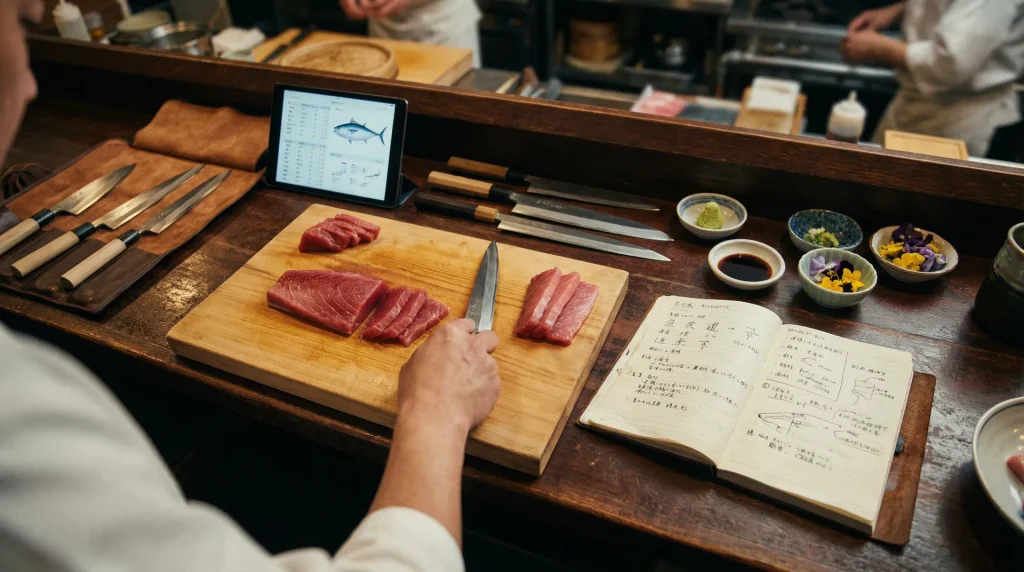
Choosing the right concept is a critical first step that will define your restaurant's identity, target audience, and operational model. A traditional **Sushi and Sashimi Bar** offers a classic and often high-end experience, focusing on the artistry of a skilled sushi chef. This concept demands the absolute freshest ingredients, making a reliable supply chain paramount. For restaurateurs looking to source premium, sashimi-grade fish, services like True World Foods' JapanFish Express offer a direct link to Japan's famed fish markets, ensuring unparalleled quality and authenticity. This model thrives on an intimate customer experience, where diners can watch the chefs at work, creating a sense of theater and craftsmanship that justifies a higher price point.
Alternatively, an **Izakaya** provides a more casual, vibrant, and social atmosphere. These Japanese gastropubs center around a wide variety of small, shareable plates, complemented by an extensive selection of sake, beer, and cocktails. The Izakaya model encourages longer stays and larger groups, generating revenue from both food and high-margin beverage sales. Its operational flexibility allows for a diverse menu that can be adapted to seasonal ingredients and local tastes. This concept appeals to a broad demographic, from after-work professionals to weekend crowds seeking a lively and communal dining experience, making it a versatile and popular choice in many Canadian cities.
A **Ramen Shop** is another highly popular and scalable concept, capitalizing on the global comfort food trend. The success of a ramen shop hinges on its broth, which often becomes a closely guarded secret recipe, simmered for hours to develop deep, complex flavors. This specialization allows for a streamlined menu and efficient kitchen operations, leading to faster customer turnover and lower operational complexity compared to a full-service restaurant. While the focus is narrow, there is ample room for innovation in noodle types, toppings, and broth variations, from rich and hearty tonkotsu to lighter, clearer shio. The relatively lower price point and casual nature of ramen make it an accessible option for a wide range of customers, ensuring consistent foot traffic.
For those aiming for the pinnacle of Japanese culinary art, a **Kaiseki** restaurant offers an unparalleled fine-dining experience. This traditional multi-course meal is a meticulous expression of seasonality, aesthetics, and subtle flavors, where every dish is a work of art. A Kaiseki concept targets a niche, affluent clientele willing to pay a premium for an exclusive and culturally rich dining event. It demands an exceptionally skilled chef with a deep understanding of Japanese culinary traditions and an unwavering commitment to perfection. The operational costs and staffing requirements are significantly higher, but a successful Kaiseki restaurant can earn a prestigious reputation and critical acclaim, placing it at the very top of the culinary landscape.
Location, Location, Location: Finding the Perfect Spot
The adage 'location, location, location' holds immense weight in the restaurant industry. For a Japanese restaurant in Canada, the ideal location depends heavily on your chosen concept and target demographic. A high-end Kaiseki or Omakase restaurant may thrive in an affluent downtown core or a sophisticated, established neighborhood known for fine dining. In contrast, a casual Ramen Shop or a lively Izakaya could be highly successful near a university campus, a busy office district, or a trendy, high-foot-traffic area with a vibrant nightlife. Conduct thorough market research on your desired neighborhoods. Analyze the local demographics, income levels, and existing competition. A location with a high concentration of your target audience but a low number of direct competitors can be a recipe for success.
Visibility and accessibility are key factors to consider. A corner location with large windows offers excellent visibility and natural light, creating an inviting atmosphere. Ample parking or proximity to public transit is crucial, especially in car-dependent suburbs or dense urban centers. Don't underestimate the importance of foot traffic; a location on a bustling street can significantly reduce your marketing budget by providing a steady stream of potential customers. Before signing a lease, spend time in the area at different times of the day and week to observe the flow of people and the general atmosphere. This firsthand observation can provide invaluable insights that demographic data alone cannot reveal.
Navigating the Maze of Licensing and Permits
Navigating the bureaucratic maze of licensing and permits is a critical, albeit tedious, part of opening any restaurant in Canada. The specific requirements can vary significantly between provinces and municipalities, so it is essential to consult with your local city hall and provincial authorities early in the process. At a minimum, you will need to register your business name and legal structure, obtain a general business license, and register for federal and provincial tax accounts, such as the GST/HST. These foundational steps establish your business as a legal entity and ensure you are compliant with basic tax obligations from day one.
Food safety is non-negotiable, and every province requires some form of food handler certification. Typically, at least one certified food handler must be on-site during all hours of operation. This certification involves completing a provincially recognized food safety course that covers topics like safe food storage temperatures, cross-contamination prevention, and proper cleaning and sanitizing procedures. For a Japanese restaurant handling raw fish, demonstrating impeccable food safety standards is not just a legal requirement but also a crucial element of building customer trust. Maintaining a pristine environment and adhering to strict temperature controls, supported by a reliable cold chain from suppliers like True World Foods, is fundamental to your operation's integrity.
If you plan to serve alcohola staple for any Izakaya and a significant revenue driver for most other conceptsa liquor license is mandatory. The application process for a liquor license is notoriously detailed and can be lengthy, often taking several months. It typically involves background checks, public notices, and detailed floor plans indicating service areas. Each province has its own liquor control board (e.g., the AGCO in Ontario, the LCRB in British Columbia) with specific rules and regulations governing the sale and service of alcohol. Start this process as early as possible to avoid delays in your opening timeline.
Finally, your restaurant will be subject to a series of inspections before you can open your doors to the public. A health inspector will visit to ensure your premises comply with all food safety regulations, checking everything from your kitchen layout and equipment to your dishwashing procedures and pest control measures. A fire inspector will verify that your restaurant meets all fire code requirements, including proper exit signage, fire suppression systems, and occupancy limits. Passing these inspections is the final gatekeeper to obtaining your permit to operate, so meticulous preparation and adherence to all codes are paramount.
The Bottom Line: Understanding Initial Investment and Costs
Understanding the financial commitment required to open a Japanese restaurant is a crucial step in the planning process. The initial investment can vary dramatically, ranging from as low as $200,000 for a small, lean ramen shop in a secondary market to well over $1,000,000 for a large, high-end kaiseki restaurant in a prime downtown location. This wide range is influenced by factors such as the size and condition of the leased space, the extent of renovations required, the quality of kitchen equipment, and the level of interior design. A realistic budget should be based on detailed quotes from contractors, equipment suppliers, and designers, with a contingency fund of at least 15-20% to cover unexpected costs.
A detailed breakdown of key costs is essential for effective financial planning. Leasehold improvements, which include construction, plumbing, electrical work, and ventilation, often represent the largest single expense, potentially consuming 30-50% of your total budget. Kitchen equipment is another major cost center. For a Japanese restaurant, this includes specialized items like high-quality sushi knives, a commercial-grade rice cooker, a sushi case to maintain fish at an optimal temperature of 1-3°C, and potentially a ramen noodle machine. Other significant expenses include furniture and decor, initial inventory, point-of-sale (POS) systems, and pre-opening marketing and legal fees. Carefully managing these costs without compromising on quality is a key balancing act for any new restaurateur.
Equipping Your Kitchen: The Essential Tools of the Trade
Equipping your kitchen is a significant investment, and for a Japanese restaurant, it requires a blend of standard commercial appliances and specialized tools. The heart of any kitchen is its cooking line, which will need commercial-grade ranges, ovens, and a high-capacity ventilation system to handle heat and smoke. Deep fryers are essential for tempura, while a high-quality griddle (teppan) is necessary for certain Izakaya dishes. Beyond the hot line, refrigeration is critical. Walk-in coolers and freezers are standard, but for a sushi-focused concept, a dedicated sushi display case is non-negotiable. This specialized refrigerator not only showcases the fish beautifully but also maintains it at the precise temperature and humidity required to preserve its delicate texture and flavor, ensuring it is safe for raw consumption.
Beyond the major appliances, the right tools can make a world of difference in efficiency and quality. A commercial-grade Japanese rice cooker is a must-have, as perfect rice is the foundation of sushi and many other dishes. For sushi and sashimi preparation, a set of high-carbon steel knivesincluding a yanagiba (for slicing fish), deba (for butchering), and usuba (for vegetables)is indispensable. These knives require meticulous care and sharpening but allow for the precision cuts that are a hallmark of Japanese cuisine. Investing in authentic, high-quality tools not only empowers your chefs to produce their best work but also signals a commitment to craftsmanship that discerning customers will appreciate. Sourcing these specialized items may require connecting with dedicated restaurant suppliers who understand the unique needs of a Japanese kitchen.
Building Your Dream Team: Staffing and Management
Your team is the soul of your restaurant, and assembling a talented and dedicated staff is one of the most critical factors for success. In a Japanese restaurant, the role of the head chef is particularly central, especially in concepts like sushi or kaiseki where their skill and artistry are on full display. Finding a highly trained sushi chef with years of experience can be challenging in Canada. The search may involve recruiting from established restaurants, connecting with culinary schools, or even looking internationally, which involves navigating the complexities of immigration and work permits. When hiring chefs, look for not only technical proficiency but also a deep respect for the ingredients, a commitment to cleanliness, and the ability to work calmly and efficiently under pressure.
Beyond the star chef, you need to build a cohesive team for both the front and back of the house. Back-of-house roles include prep cooks, line cooks, and dishwashers, who are the unsung heroes that keep the kitchen running smoothly. For the front of house, you need a charismatic and organized manager, knowledgeable and attentive servers, and friendly hosts. For concepts like an Izakaya or a restaurant with a sake program, servers should be trained on the beverage menu to guide customers and enhance their dining experience. A positive and supportive work culture is key to retaining staff in the high-turnover restaurant industry. Fair wages, clear communication, and opportunities for growth can help you build a loyal and motivated team that is invested in your restaurant's success.
Crafting a Winning Menu: Authenticity, Innovation, and Profitability
Crafting a compelling menu is a delicate balance of authenticity, innovation, and profitability. Your menu should tell a story, reflecting your restaurant's concept and the chef's culinary philosophy. For a traditional concept, this means a deep respect for classic recipes and techniques. For a more modern concept, it allows for creative fusion and contemporary interpretations. A well-designed menu is also a strategic tool for profitability. Analyze the food cost of each dish and price it accordingly, aiming for an overall food cost percentage between 28-35%. Highlight high-margin items and design the layout to be clear, appealing, and easy to navigate for your customers.
The quality of your menu is directly tied to the quality of your ingredients, making your choice of suppliers one of the most important decisions you will make. For a Japanese restaurant, sourcing high-quality, authentic ingredients is paramount. This includes everything from premium short-grain rice and artisanal soy sauce to, most importantly, fresh, high-grade seafood. Building strong relationships with reliable suppliers is essential. A partner like True World Foods Canada can be invaluable, offering a comprehensive range of products from fresh and frozen seafood to dry goods and specialty items. Their expertise in cold chain logistics ensures that highly perishable items like fish for sashimi are maintained at optimal temperatures from the source to your kitchen, guaranteeing safety and preserving the delicate flavors and textures that are the hallmark of great Japanese cuisine.
The Grand Opening: A Strategic Marketing Launch
A successful restaurant launch requires a strategic marketing plan that builds anticipation and drives a strong opening turnout. Start your marketing efforts well before you open your doors. Create a professional website and active social media profiles on platforms like Instagram and Facebook. Use these channels to document your journey, from construction progress to menu development, creating a behind-the-scenes narrative that engages potential customers. High-quality photography is essential; invest in professional shots of your signature dishes, your restaurant's interior, and your team. This visual content is your most powerful marketing asset in the food industry.
In the weeks leading up to your grand opening, consider hosting a series of soft-opening events. These can be invitation-only nights for friends, family, local media, and food bloggers. A soft opening serves two purposes: it allows your kitchen and service staff to train in a controlled, lower-pressure environment, and it generates early buzz and reviews. Collaborating with local food influencers can provide a significant boost in visibility. A well-executed launch strategy doesn't end on opening night; it sets the stage for sustained marketing efforts, including email newsletters, loyalty programs, and ongoing social media engagement to build a loyal customer base.
Common Pitfalls and How to Avoid Them
While the prospect of opening a Japanese restaurant is exciting, it is crucial to be aware of the common pitfalls that can derail a new venture. One of the most frequent mistakes is undercapitalization. Many entrepreneurs underestimate the initial startup costs and, more importantly, the working capital needed to cover operating expenses for the first six to twelve months before the business becomes profitable. A detailed and realistic financial plan, including a contingency fund, is your best defense against this. Secure adequate funding before you begin, as it is much more difficult to obtain financing once you are already in a precarious financial position.
Another common pitfall is a lack of a clear concept or identity. A restaurant that tries to be everything to everyone often ends up appealing to no one. A focused and well-defined concept, from the menu and decor to the service style, creates a strong brand and attracts a specific target audience. In the same vein, do not neglect the importance of the customer experience. Even with excellent food, poor service, a long wait time, or an uncomfortable atmosphere can deter customers from returning. Finally, many new restaurateurs, especially those with a passion for cooking, can get so caught up in the culinary aspects that they neglect the business side of the operation. A successful restaurant requires not only a great chef but also a savvy business owner who can manage finances, marketing, and human resources effectively.