The Crown Jewel of the Sea: An Introduction to Bluefin Tuna
Bluefin tuna, often hailed as the ‘king of sushi’, holds an almost mythical status in the culinary world. Its rich, buttery flavour and melt-in-your-mouth texture make it a prized ingredient for chefs and a delicacy for diners. But not all bluefin is created equal. This comprehensive guide is designed for Canadian restaurant professionals, providing the essential knowledge to navigate the complex world of bluefin tuna. From understanding the distinct characteristics of the three main species to mastering the art of selecting the perfect cut, we will delve into the nuances that separate good tuna from truly exceptional tuna. By the end of this article, you will be equipped to make informed purchasing decisions, optimize your inventory, and ultimately, elevate the bluefin experience for your customers.
For discerning chefs across Canada, sourcing the highest quality bluefin is paramount. This requires not only a deep understanding of the product itself but also a trusted supply chain partner. True World Foods Canada, with its direct access to the famed Toyosu Market in Japan, provides an unparalleled connection to the world’s finest tuna. Our expert buyers, deeply immersed in the daily auctions, meticulously select fish that meet the highest standards of quality and sustainability. This guide will illuminate the path to sourcing and serving the very best bluefin, ensuring that every dish you create is a testament to the magnificence of this incredible fish.
The Three Kings of the Ocean: A Guide to Bluefin Species
Atlantic Bluefin (Thunnus thynnus)
The Atlantic Bluefin is the largest and most sought-after of the three species. Found in the Atlantic Ocean, these majestic fish can grow to immense sizes, sometimes exceeding 2,000 pounds. Their flesh is known for its deep red colour and incredible fat content, which varies depending on the season and the fish’s migration patterns. The cold waters of the North Atlantic, particularly off the coast of Canada, produce fish with a high concentration of fat, making them ideal for otoro and chutoro. The flavour is rich and complex, with a buttery texture that is simply unforgettable. Due to high demand and historical overfishing, the Atlantic Bluefin is subject to strict fishing quotas, making it a premium and often expensive choice.
The Three Kings of the Ocean: A Guide to Bluefin Species
Pacific Bluefin (Thunnus orientalis)
The Pacific Bluefin, found throughout the Pacific Ocean, is a close cousin to the Atlantic species. While slightly smaller on average, it still reaches impressive sizes and boasts a similar flavour profile and texture. The majority of Pacific Bluefin is caught in the waters off Japan and Mexico. The famous Toyosu Market auctions often feature magnificent Pacific Bluefin, with some specimens fetching record-breaking prices. The taste is clean and rich, with a good balance of fat and lean meat. True World Foods Canada’s buyers at Toyosu have a keen eye for selecting the best Pacific Bluefin, ensuring that our clients receive fish with optimal fat content and flavour.
The Three Kings of the Ocean: A Guide to Bluefin Species
Southern Bluefin (Thunnus maccoyii)
The Southern Bluefin is the smallest of the three species, typically found in the colder waters of the Southern Hemisphere, including off the coasts of Australia, New Zealand, and South Africa. Despite its smaller size, the Southern Bluefin is highly prized for its exceptionally high fat content, which gives it a rich, creamy texture. The flesh is a vibrant red and is particularly well-suited for sashimi and sushi. The intense flavour and luxurious mouthfeel make it a favourite among connoisseurs. The Southern Bluefin fishery is also carefully managed with strict quotas to ensure its long-term sustainability.
The Heart of the Action: The Toyosu Market Tuna Auction
The Toyosu Market in Tokyo is the epicenter of the global tuna trade. Every morning before dawn, a spectacle unfolds as hundreds of fresh and frozen bluefin tuna are laid out for inspection. The air buzzes with anticipation as buyers from around the world, including True World Foods Canada’s dedicated team, meticulously examine each fish. They check the colour of the flesh, the fat content by inspecting a small sample from the tail, and the overall condition of the fish. This is a critical step, as the quality of the tuna will directly impact its price and its suitability for different culinary applications.
The auction itself is a fast-paced and intense affair. An auctioneer, standing on a small stool, calls out prices in a rhythmic chant, while buyers use a series of discreet hand signals to place their bids. The prices can fluctuate dramatically, influenced by factors such as the size and quality of the fish, the time of year, and the overall demand. The first auction of the new year is a particularly noteworthy event, often seeing record-breaking prices for the most prized tuna. Having a presence on the ground at Toyosu is essential for securing the best fish at the best prices, a service that True World Foods Canada is proud to provide to its clients.
The Art of the Grade: Understanding Tuna Quality
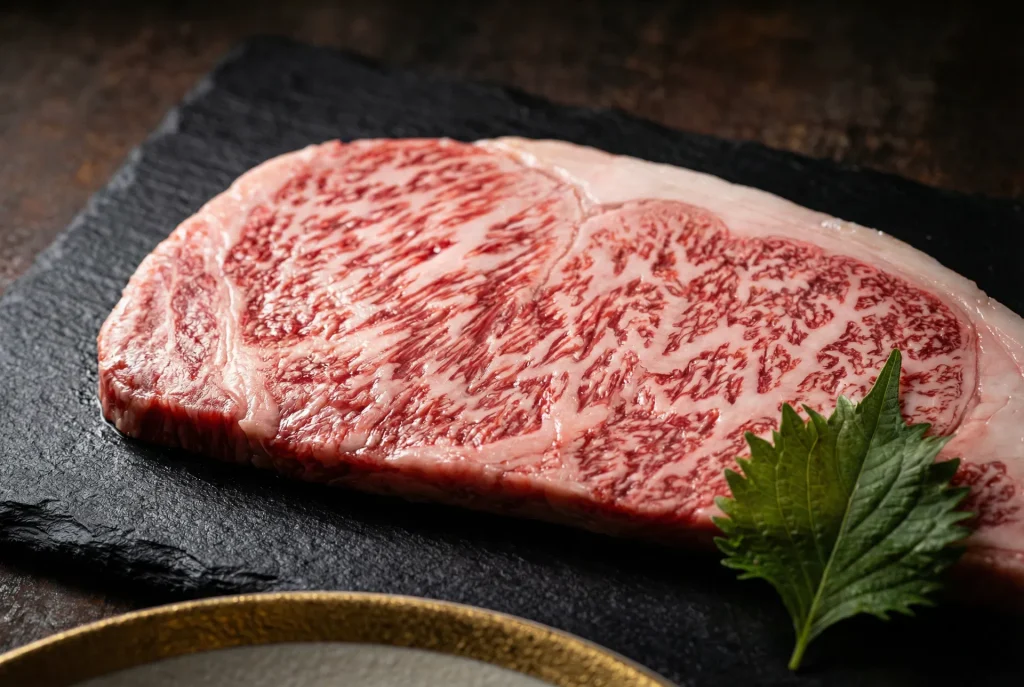
In the world of bluefin tuna, not all fish are created equal. The grading system used at markets like Toyosu is a crucial tool for buyers to assess the quality and value of each fish. The highest grade, No. 1 or “sashimi-grade,” is reserved for the absolute best of the best. These are fish with a high fat content, a vibrant, translucent red colour, and a firm, yet supple texture. The fat should be evenly distributed, creating a beautiful marbling effect. These are the fish that will yield the most prized cuts of otoro and chutoro, and they command the highest prices at auction.
The next grade down is No. 2, often referred to as “grill-grade.” These fish are still of excellent quality but may have a slightly lower fat content or a less perfect colour than a No. 1. They are well-suited for grilling or searing, as the cooking process helps to render the fat and enhance the flavour. Grades 3 and 4 are of lower quality and are typically used for less demanding applications. Understanding these grades is essential for any chef who wants to source the right tuna for their needs and budget. True World Foods Canada’s expert buyers are masters of this grading system, ensuring that our clients receive fish that meets their exact specifications.
A Cut Above: The Five Main Cuts of Bluefin Tuna
Understanding the different cuts of bluefin tuna is essential for any chef who wants to showcase this magnificent fish on their menu. Each cut has its own unique flavour, texture, and fat content, making it suitable for different preparations.
Otoro (大トロ): This is the most prized and expensive cut of bluefin tuna, taken from the fatty belly of the fish. It is incredibly rich and marbled, with a buttery texture that literally melts in your mouth. Otoro is best served as sashimi or nigiri, where its luxurious flavour and texture can be fully appreciated.
Chutoro (中トロ): Located along the side of the belly, between the otoro and the akami, chutoro offers the perfect balance of fat and lean meat. It is less fatty than otoro but still has a rich, buttery flavour and a softer texture than akami. Chutoro is also excellent for sashimi and sushi.
Akami (赤身): This is the lean, red meat from the top and sides of the tuna. It has a firmer texture and a more subtle flavour than the fatty cuts. Akami is the most common cut of tuna and is often used in a variety of dishes, from sushi and sashimi to seared tuna steaks.
Kama (カマ): The kama, or collar, is the part of the fish just behind the head. It is a rich, flavourful cut with a high fat content, making it perfect for grilling or broiling. The meat is tender and juicy, with a slightly sweet flavour.
Harasu (腹須): This is the lower belly portion of the tuna, which includes both otoro and chutoro. It is often sold as a block and can be further broken down into these two prized cuts.
The Rhythm of the Sea: Seasonal Quality and Availability
The quality of bluefin tuna is intrinsically linked to the seasons. As these powerful fish migrate across vast oceans, their bodies undergo changes that affect their fat content, flavour, and texture. For chefs, understanding these seasonal variations is key to sourcing the best possible product throughout the year. The peak season for Atlantic Bluefin in the cold waters of the North Atlantic, for example, is during the fall and winter months. During this time, the fish have built up significant fat reserves for their long journey, resulting in exceptionally rich and flavourful otoro and chutoro.
Similarly, Pacific Bluefin caught in the waters off Japan are at their best during the winter. The cold water temperatures contribute to a higher fat content, making for a truly luxurious eating experience. Southern Bluefin, found in the Southern Hemisphere, have a peak season that is opposite to their northern counterparts, typically from June to September. By working with a knowledgeable supplier like True World Foods Canada, chefs can gain access to a consistent supply of high-quality bluefin from different regions, ensuring that they always have the best of the season on their menu.
Navigating the Market: Price Dynamics and Trends
The market for bluefin tuna is a complex and dynamic one, with prices that can fluctuate significantly based on a variety of factors. The most important of these is, of course, quality. A No. 1 grade, sashimi-quality bluefin will always command a premium price, especially if it is a large fish with a high fat content. Seasonality also plays a major role, with prices tending to be higher during peak demand periods, such as the end-of-year holidays in Japan.
Market trends and consumer demand also have a significant impact on pricing. The growing popularity of sushi and Japanese cuisine around the world has led to an increased demand for high-quality bluefin, which has, in turn, driven up prices. Sustainability concerns and fishing quotas have also put pressure on the market, as the supply of wild-caught bluefin is limited. Farmed bluefin is becoming an increasingly important part of the market, offering a more consistent and often more affordable alternative to wild-caught fish. True World Foods Canada, with its deep understanding of these market dynamics, can help chefs navigate this complex landscape and make informed purchasing decisions.
A Sustainable Future: Conservation and Quotas
The immense popularity of bluefin tuna has, unfortunately, led to significant challenges for the species. Decades of overfishing have put a strain on wild populations, leading to concerns about their long-term sustainability. In response, international organizations and national governments have implemented strict management measures, including fishing quotas, to help rebuild stocks. These quotas are designed to limit the total amount of bluefin that can be caught each year, allowing populations to recover.
Choosing sustainably sourced bluefin is not only an ethical choice but also a smart business decision. Consumers are increasingly aware of the environmental impact of their food choices and are more likely to support restaurants that are committed to sustainability. True World Foods Canada is dedicated to sourcing bluefin from fisheries that are well-managed and committed to responsible fishing practices. We work closely with our suppliers to ensure that all of our bluefin is traceable and has been harvested in accordance with all applicable regulations. By choosing True World Foods Canada, you can be confident that you are serving your customers a product that is not only delicious but also sustainable.
Farmed vs. Wild: A Comparative Look
The debate between farmed and wild bluefin tuna is a complex one, with valid arguments on both sides. Wild bluefin, with its natural diet and long migrations, is often said to have a more complex and nuanced flavour. The fat content can vary significantly depending on the season and the individual fish, making each one a unique culinary experience. However, the supply of wild bluefin is limited by quotas and seasonality, and prices can be volatile.
Farmed bluefin, on the other hand, offers a more consistent and predictable product. The fish are raised in controlled environments and fed a specific diet to ensure a high fat content and a consistent flavour profile. This makes it easier for chefs to plan their menus and manage their costs. The quality of farmed bluefin has improved dramatically in recent years, with many high-end restaurants now proudly serving it. Ultimately, the choice between farmed and wild bluefin comes down to a matter of personal preference and priorities. True World Foods Canada offers both wild-caught and sustainably farmed bluefin, allowing chefs to choose the product that best suits their needs.
Preserving Perfection: Storage and Handling Best Practices
Once you have sourced the perfect bluefin tuna, it is crucial to handle and store it properly to preserve its quality and flavour. Bluefin is a delicate product that can quickly degrade if not treated with care. The most important factor is temperature. Fresh tuna should be stored at a temperature as close to 33°F (0.5°C) as possible. This will help to slow down the natural processes of decay and maintain the vibrant colour and firm texture of the flesh.
When storing tuna, it is essential to keep it dry. The flesh should never come into direct contact with ice or water, as this can cause it to become discoloured and lose its flavour. Instead, wrap the tuna tightly in absorbent paper or a specialized tuna cloth, and place it in a perforated pan to allow for drainage. True World Foods Canada’s state-of-the-art cold chain logistics, including our JapanFish Express service, ensure that our bluefin is maintained at the optimal temperature from the moment it leaves the Toyosu Market until it arrives at your kitchen, guaranteeing the freshest possible product.
Your Partner in Premium Tuna: True World Foods Canada
For the discerning Canadian chef, sourcing premium bluefin tuna is a critical component of a successful menu. It requires a deep understanding of the product, a keen eye for quality, and a trusted partner who can navigate the complexities of the global market. True World Foods Canada is that partner. Our team of expert buyers on the ground at the Toyosu Market in Tokyo gives us direct access to the world’s finest tuna, allowing us to select the very best fish for our clients.
Our commitment to quality extends beyond the auction floor. Our state-of-the-art cold chain management and our rapid JapanFish Express delivery service ensure that our bluefin arrives at your restaurant in pristine condition, with its flavour, texture, and colour perfectly preserved. We are more than just a supplier; we are a partner in your culinary success. We are dedicated to providing you with the knowledge, the resources, and the exceptional product you need to create unforgettable dining experiences for your customers. Trust True World Foods Canada to be your guide to the world of premium bluefin tuna.